
-
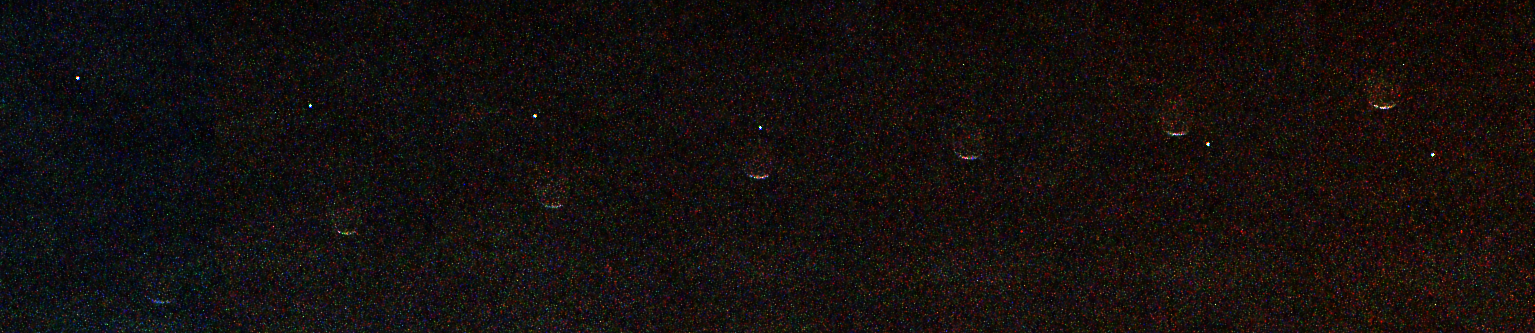
NASA’s Perseverance Captures Phobos and Earth
Description This composite of seven images from the Mastcam-Z instrument aboard NASA’s Perseverance Mars rover shows Earth, visible as a small bright dot moving from upper left to lower right, passing behind the Martian moon Phobos on July 2, 2026, 1,907th Martian day, or sol, of the mission. The black background is the result of… read more
-
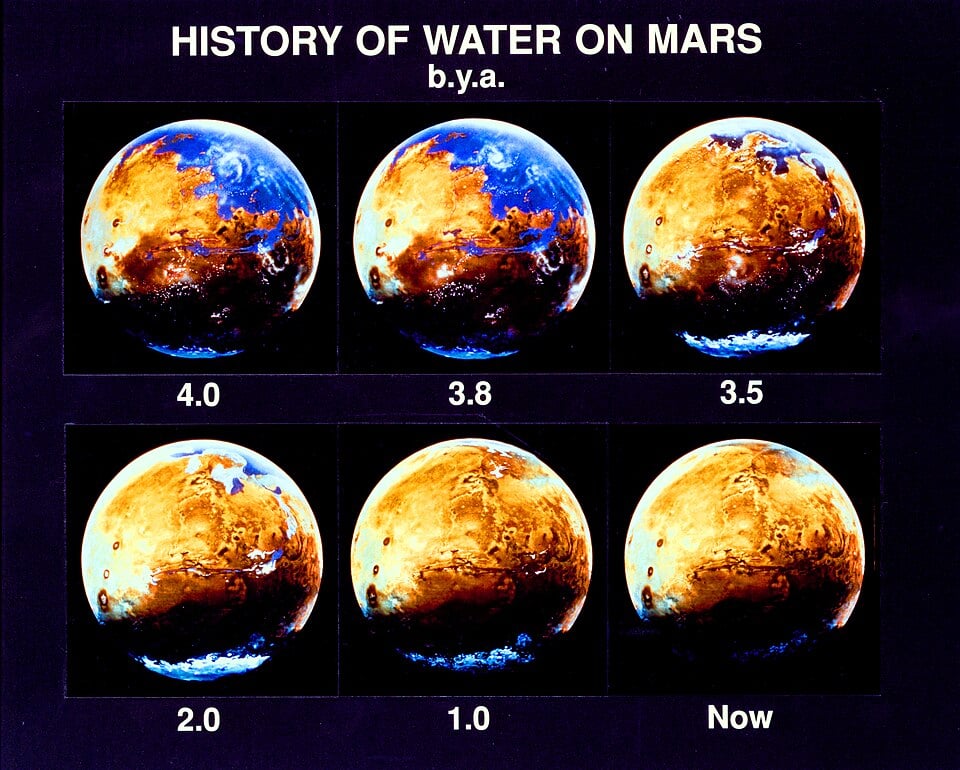
Scientist Constructs "Big Picture" of Mars Water from Rover Data
Rover data from more than 20 years ago has revealed clues to the existence of liquid water on ancient Mars. The NASA Spirit Rover carried a specialized instrument called a Mössbauer Spectrometer that performed mineralogical analyses of soil, rock, and dust on the surface of the Red Planet at Gusev Crater. Individual measurements didn't always… read more
-
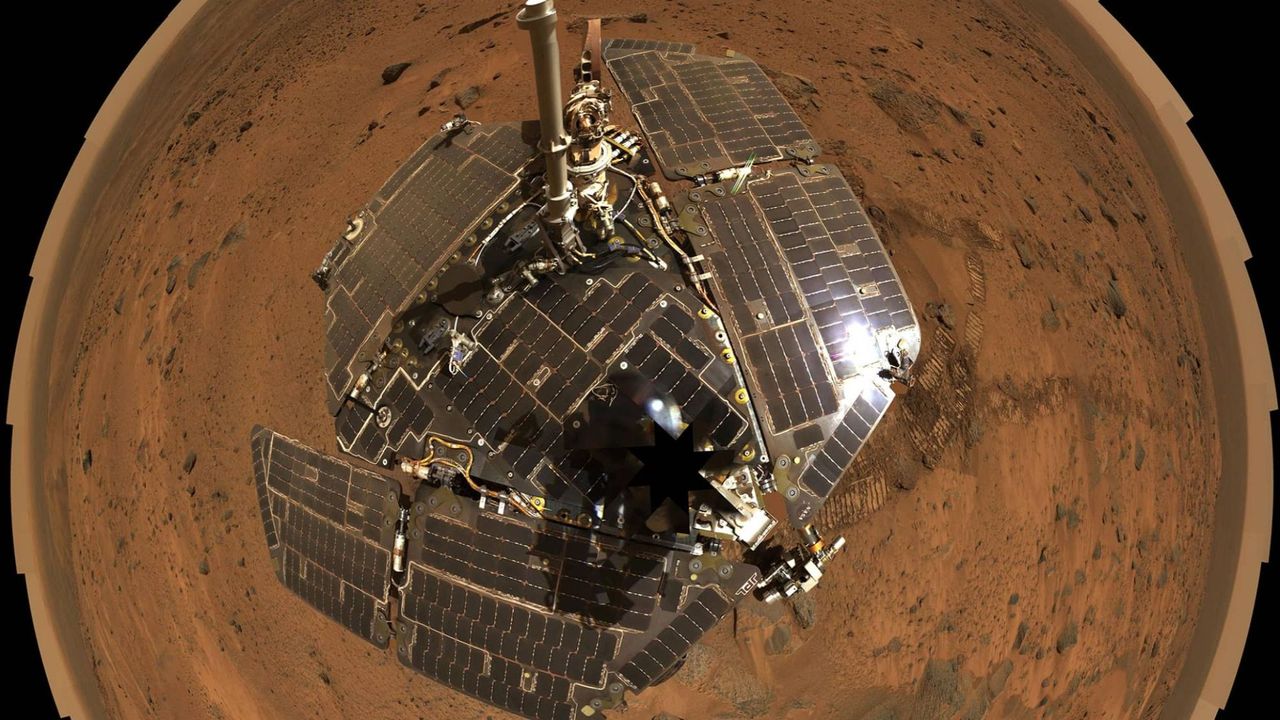
'Significant areas of Mars may have once been covered by water': Scientists find hidden clue in Spirit rover data
A new analysis of decades-old data from NASA's Spirit rover has uncovered overlooked traces of crystalline hematite and altered magnetite, adding to growing evidence that liquid water once played a major role in shaping the Red Planet. Read Full Story read more
-
UFO Disclosure Odds, Square Human Skulls, Conjuring House Lawsuit, the Squonk Returns and More Mysterious News Briefly
A roundup of mysterious, paranormal and strange news stories from the past week. Read Full Story read more
-
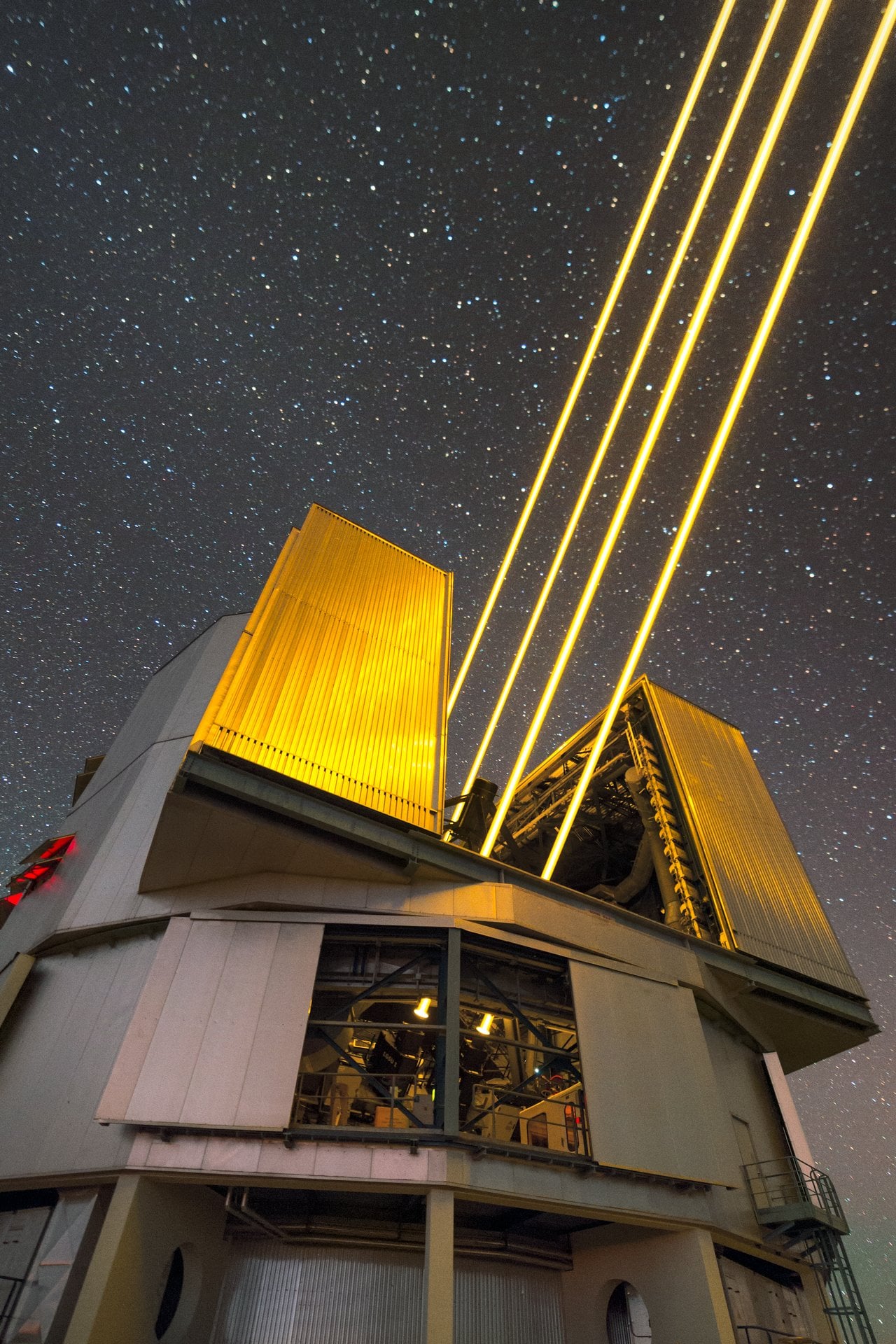
Are We Missing Alien Lighthouses?
Searching for extraterrestrial intelligence has so far meant primarily focusing on one particular type of signal – and that signal has normally been based on what our own current cutting edge technology is. But what if that’s the wrong way to look for signs of an alien intelligence? What if a resource-conscious civilization decided it… read more
-
Bending Spacetime Reveals New Planet Hidden in Archived TESS Data
NASA’s Transiting Exoplanet Survey Satellite (TESS) has captured evidence of a Jupiter-like world orbiting another star, using a trick straight out of Einstein’s relativity: gravitational microlensing. The technique marks a first for TESS, and opens up the possibility of a whole new category of planets the spacecraft might uncover. Read Full Story read more
-
'Flying saucer' arrives at NASA for Artemis 3 moon mission in time for World UFO Day | Space photo of the day for July 2, 2026
Just in time for UFO Day. Read Full Story read more
-
Ancient ring discovered underground in Scotland could be a Stonehenge-like monument
A hidden ring of stones or timbers detected beneath peat at Machrie Moor could represent a previously unknown Neolithic or Bronze Age monument. Read Full Story read more
-
James Webb telescope may have discovered a mysterious, never-before-seen substance on Pluto and Titan
A new study has identified a very specific wavelength of light missing from both Pluto and Saturn's largest moon, Titan. The surprising signal suggests that these worlds harbor an unknown molecule that has not yet been seen anywhere in the solar system or beyond. Read Full Story read more
-
What’s Up: July 2026 Skywatching Tips from NASA
A predawn Moon-and-planets meetup, a returning comet, a great chance to see the Milky Way, and Saturn’s rings at a new angle. Skywatching Highlights Transcript An early morning hangout with the Moon and planets, a comet swings by, prime time for the Milky Way, and Saturn’s rings shine at a new angle. That’s What’s Up… read more
-
Ancient-DNA analysis solves 500-year-old mystery of what killed 2 Medici brothers
An ancient-DNA analysis of the bones of two members of the Renaissance Medici family has confirmed they had malaria when they died. Read Full Story read more
-
'Rocket's Red Glare': How NASA's Artemis 2 moon mission celebrated America's 250th birthday
NASA joined in the semiquincentennial celebrations this year by painting "America 250" on the rocket that launched the Artemis 2 astronauts around the moon. Read Full Story read more