
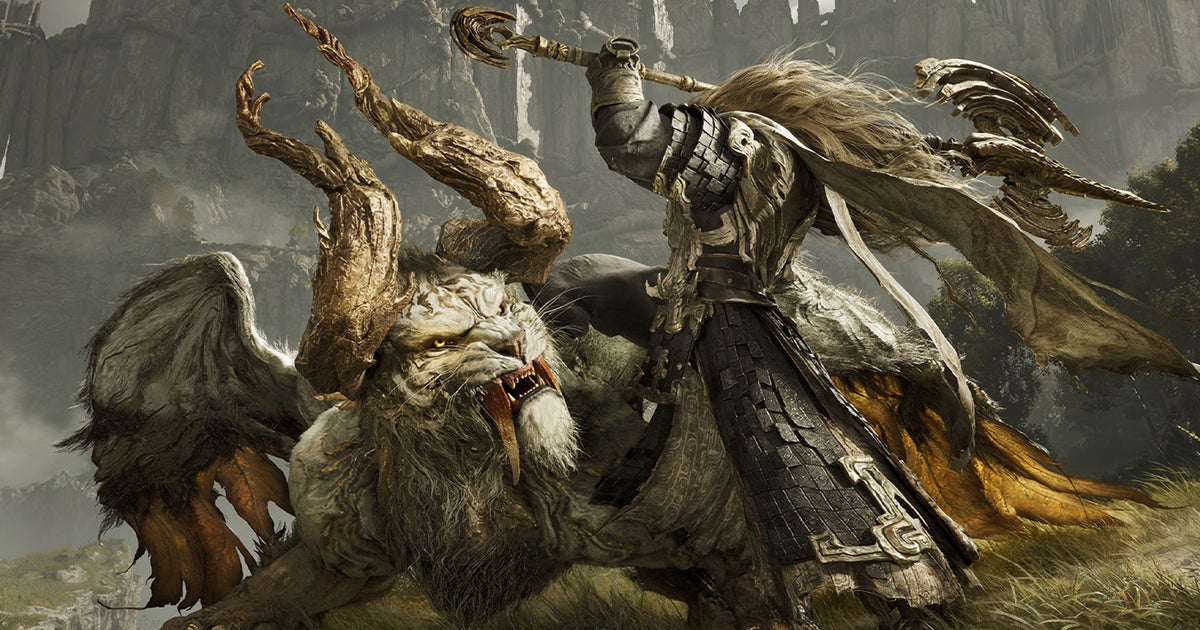
Nodusfall, aesthetically at least, is about as far from a typical HoYoverse game as you can get. Gone are the bright colours, cute creatures, and bountiful anime women. In their place, we get all the familiar trappings of dark fantasy: mysterious magics, vicious monsters, and a dingier kind of realism that – and I'm sure we've all thought it – feels a little bit Elden Ring. But from what I played at Gamescom, Nodusfall has the potential to shake off those FromSoftware comparisons and come into its own. Read more
Category: Gaming
-
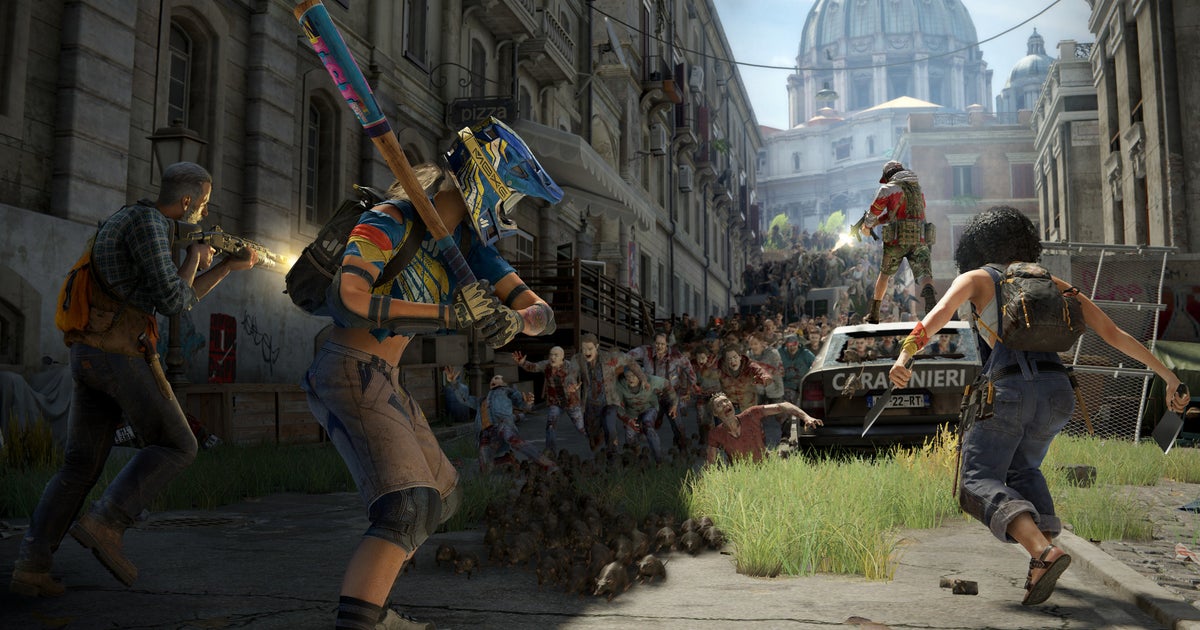
"Publishers are afraid of certain parts of the world": Saber Interactive's message to North American studios is to get their head out of their own geography
Layoffs have been a constant drumbeat in gaming industry news since 2022. Even if the cadence of layoffs seems to have slowed in 2026, the severity of those cuts has not lessened. In July, Microsoft made 1600 staff redundant as part of its great reset, and promised investors they would let 1600 more staff go in the next 12 months.
Cuts like those and the ongoing economic pressures plaguing the industry – rising debt rates, a cost of living crisis, and a memory shortage that is making every aspect of making and playing video games pricier – should have the head of any large studio examining their plans for the future. Especially when games are taking longer to make, costing more to make, and up against a much greater volume of competition than even two years ago.
With all that in mind, when I wasn't talking to Saber Interactive's chief creative officer Tim Willits about generative AI, I wanted to know what he would do if he ran one of those 200-people big-budget game studios. Because say what you like about Saber (and there's a lot of things people like to say about Saber), but the developer is doing well at a time when a lot of other studios and publishers are struggling.
Read more -
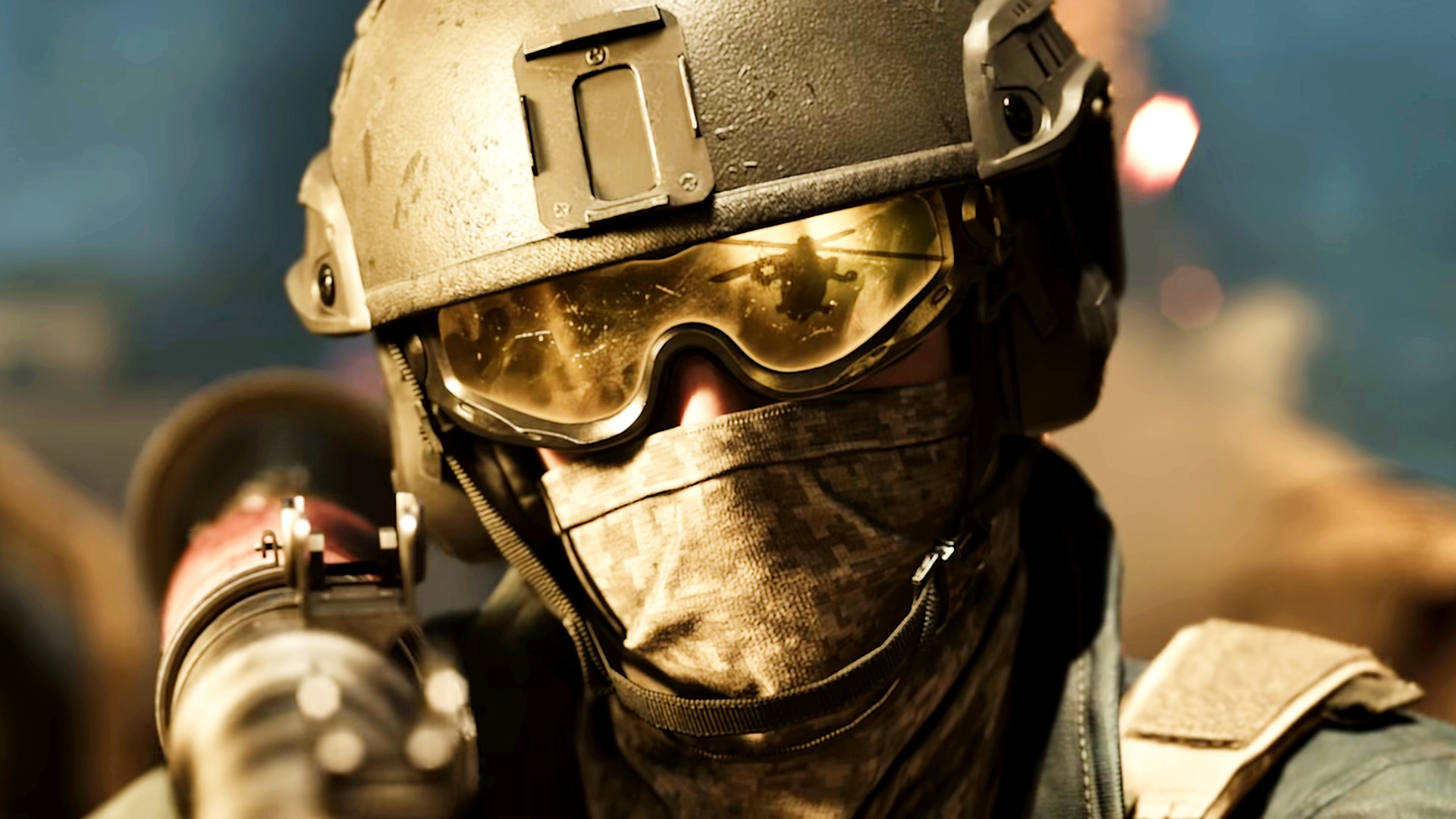
Wardogs Season 2 is just weeks away, and it already looks "sick"
Bulkhead CEO Joe Brammer is teasing Wardogs Season 2, which will include features that were cut from the initial early access launch.
-
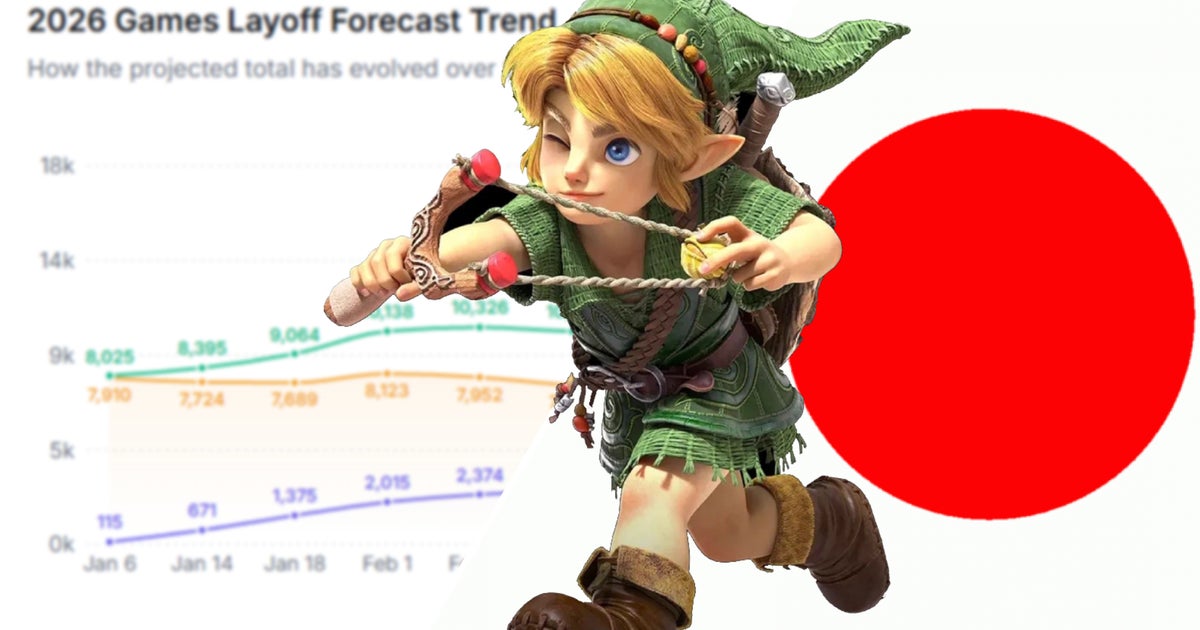
Why do Japanese studios suffer fewer layoffs? Because they have smaller teams and don't pay their execs $30m, says one expert
It's been a pretty grim year for video games. Aside from the "return of Xbox" new CEO Asha Sharma promised awhen taking over, which enacted the announcement of 3,200 layoffs and four studio departures, we've also seen mass layoffs in other studios, too: Bungie, EA, PUBG Productions, Take-Two, Warner Bros., Epic, and many, many more have been impacted this year so far.
Read more -

Single player games might require age verification if they use Steam under EU Kids Act's current draft, according to MEP's senior policy adviser
The European Commission proposed new rules around how under-15s access the likes of social media, AI chatbots, and online video games earlier this week. The draft legislation is called the EU Kids Act and calls for the setting up of a tiered system governing the types of accounts children under 15 can create to access such services, enforced by mandatory age verification for all users.
The documents laying out the proposal have been officially released, and based on the current wording the Commission have used to define what they class as an online game, it seems single player games that rely on online platforms like Steam for updates, distribution, or even a one-time authentication could be caught in the crossfire. That is, unless the definition is tightened up before the law is set in stone, if it indeed it makes it that far.
Read more -
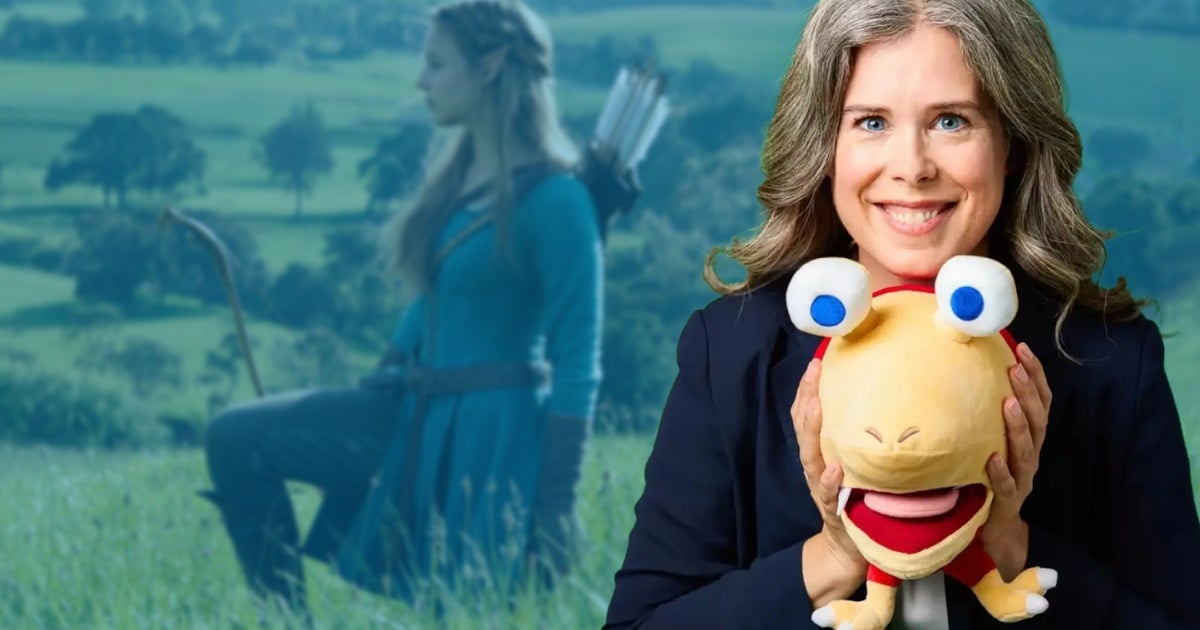
Bolstered by Switch 2 sales and Zelda: Ocarina of Time remake's reveal, Nintendo of America COO promises: "This is just the beginning"
Nintendo is having a pretty good time of it at the moment. Last year, we learned that the Switch 2 became the fastest selling video game hardware device in US history, usurping the PS4's golden record. Then, earlier this year, we learned that Switch 2 sales reached nearly 20m almost one year after release, making it the second-fastest selling console in US history. Buoyed by the runaway successes of games like Pokopia and other first-party hits, not even the reality of a hardware price rise seems to be hobbling Nintendo's momentum. Read more