
Astronomers use the Webb to study a distant fast radio burst and reveal clues as to the origin of these mysterious events.
Source: www.universetoday.com
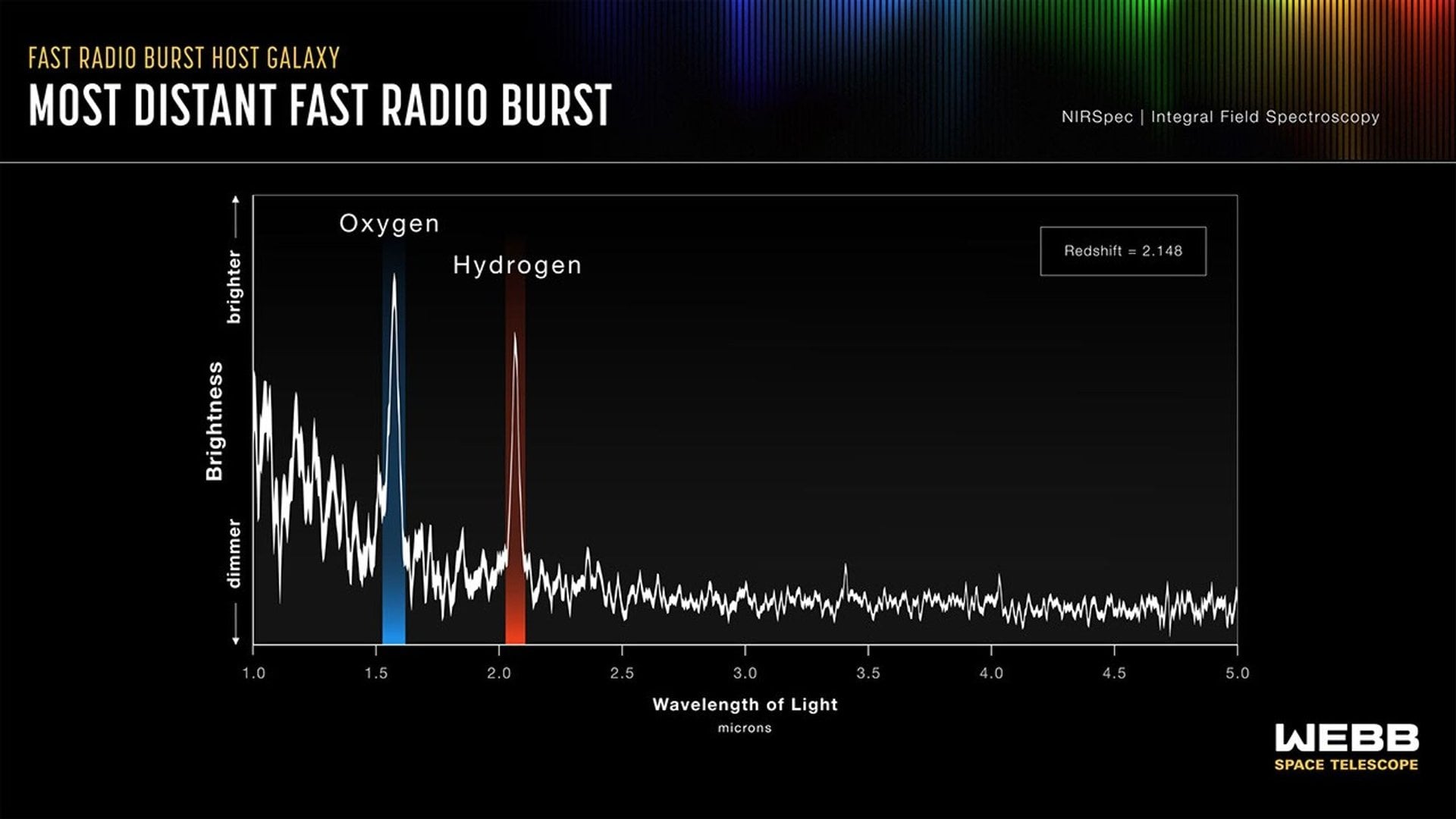
Astronomers use the Webb to study a distant fast radio burst and reveal clues as to the origin of these mysterious events.
Source: www.universetoday.com
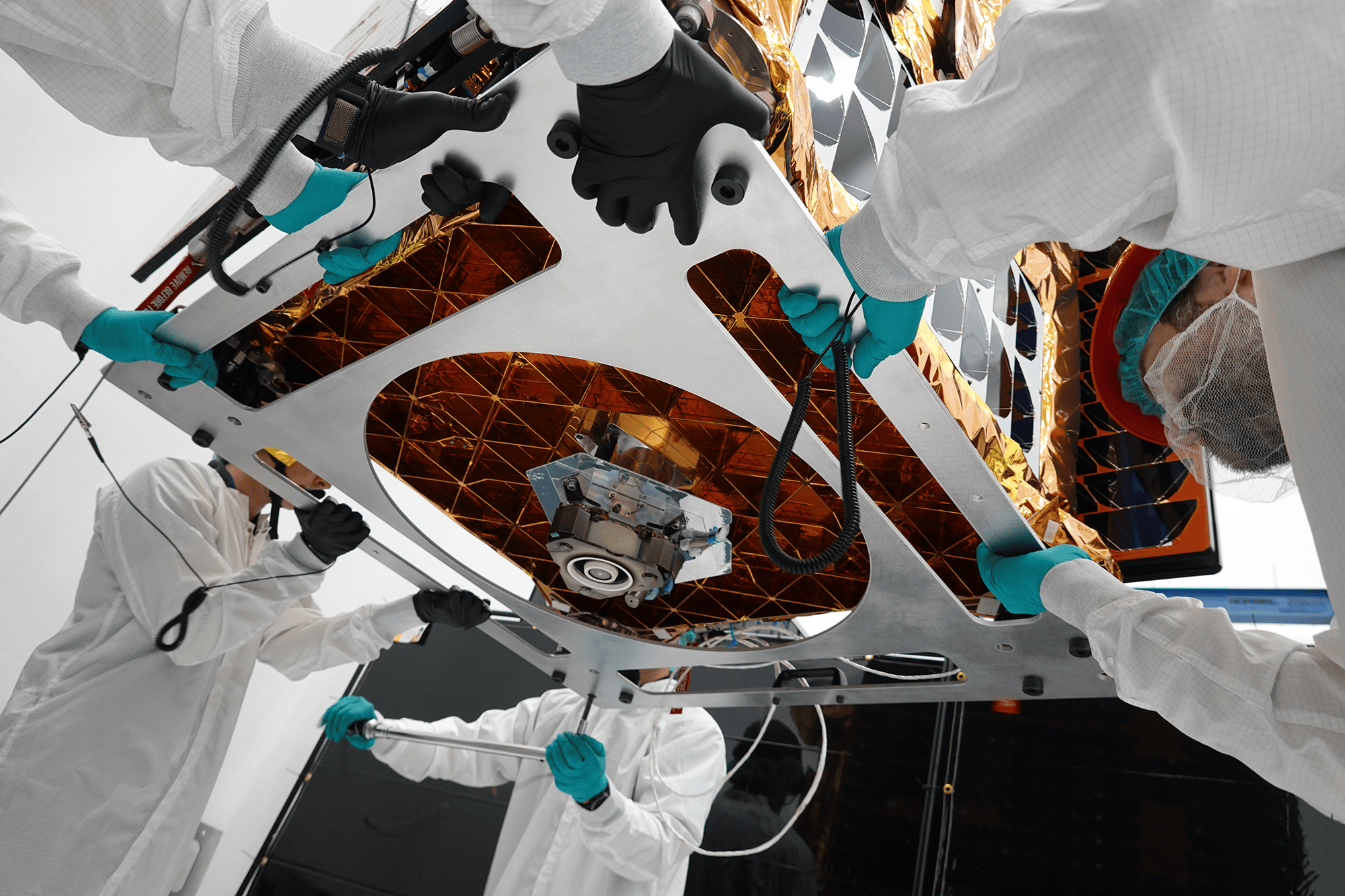
A new NASA-supported spacecraft will get up close to satellites that are no longer in service, demonstrating technologies that could support future in-space repairs and reduce orbital debris. The Small Spacecraft Propulsion and Inspection Capability (SSPICY) mission launched Oct. 1 from Vandenberg Space Force Base in California. The mission is a technology demonstration where an […]
Source: www.nasa.gov
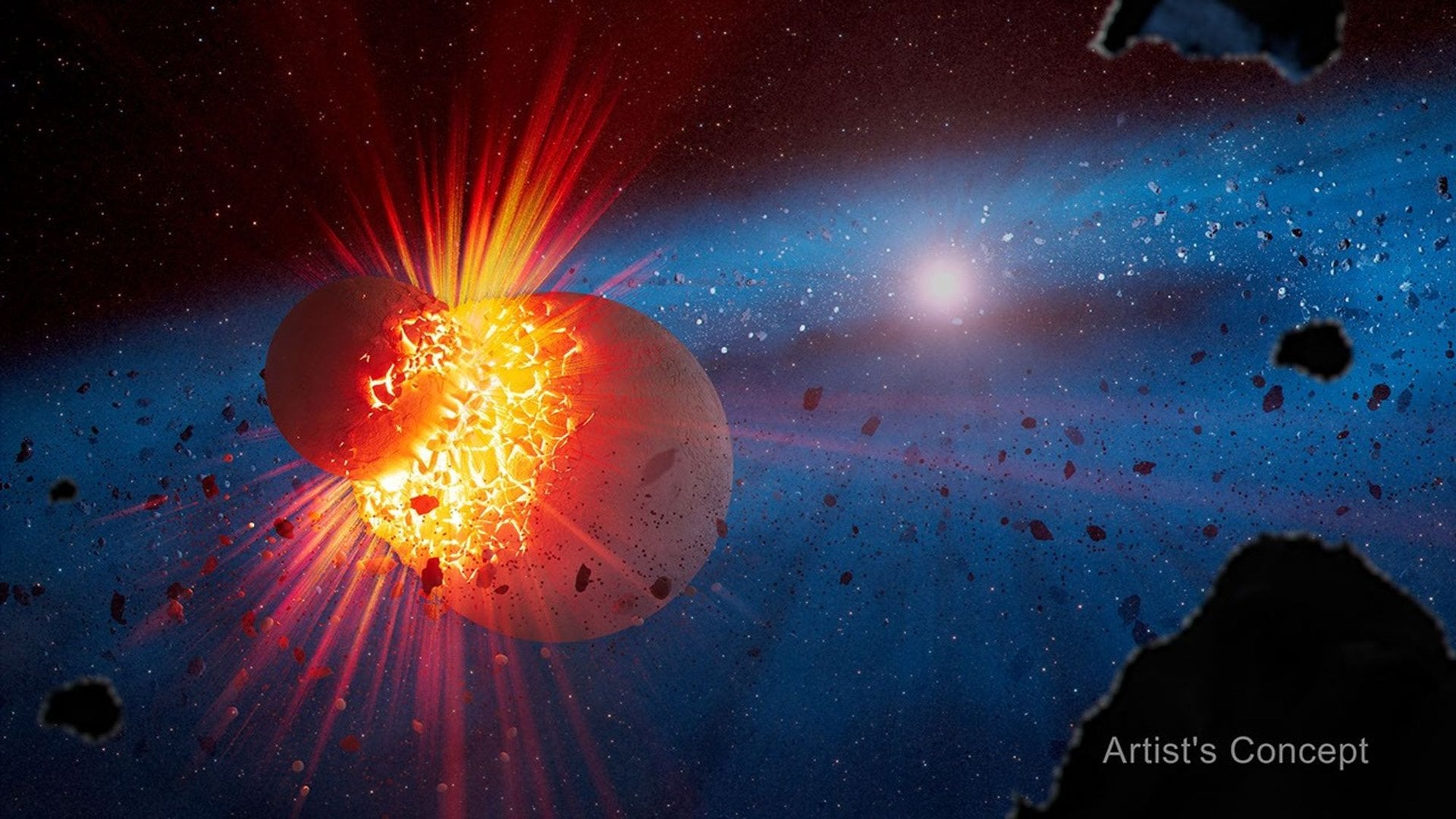
In the early history of our solar system, scientists theorize that a Mars-sized object called Theia smashed into the infant Earth, creating the Earth-Moon system. Using Webb, astronomers are studying young star systems to learn more about the early Solar System's evolution.
Source: www.universetoday.com
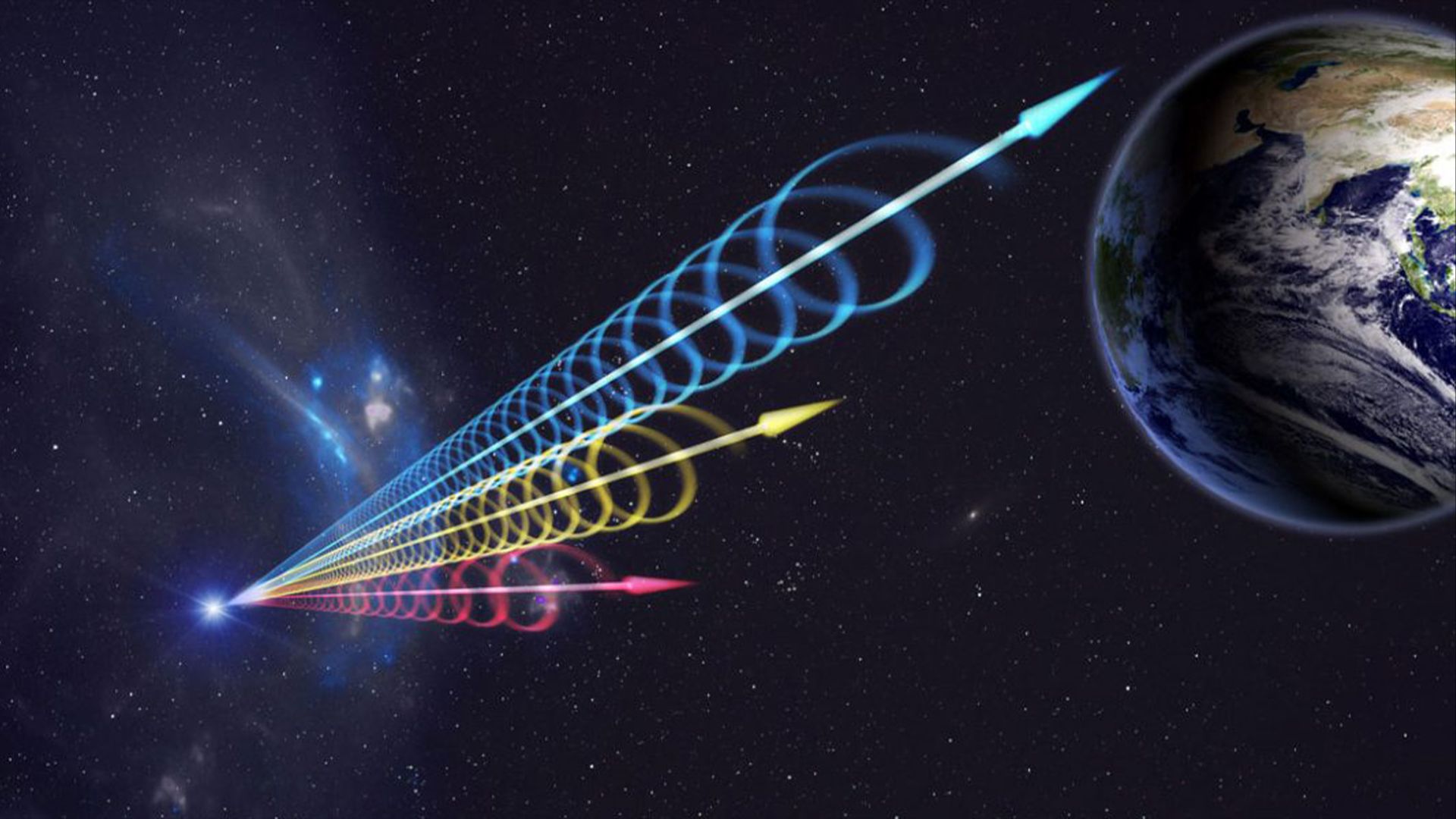
The James Webb Space Telescope has detected the farthest "fast radio burst" ever seen, providing more clues about these mysterious explosions.
Source: www.livescience.com
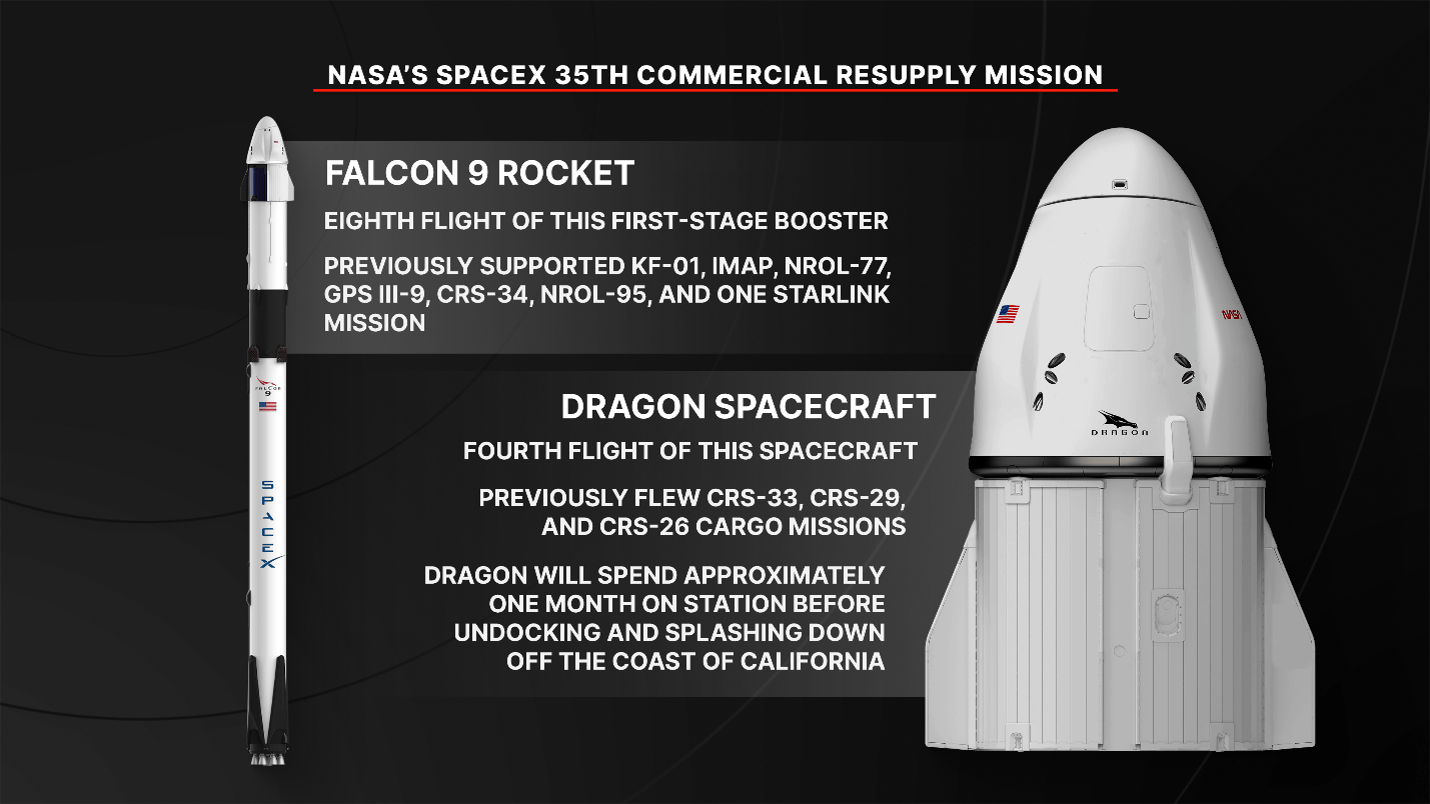
NASA and SpaceX are targeting no earlier than Tuesday, Oct. 13 to launch scientific investigations, supplies, and equipment to the International Space Station.
Source: www.nasa.gov
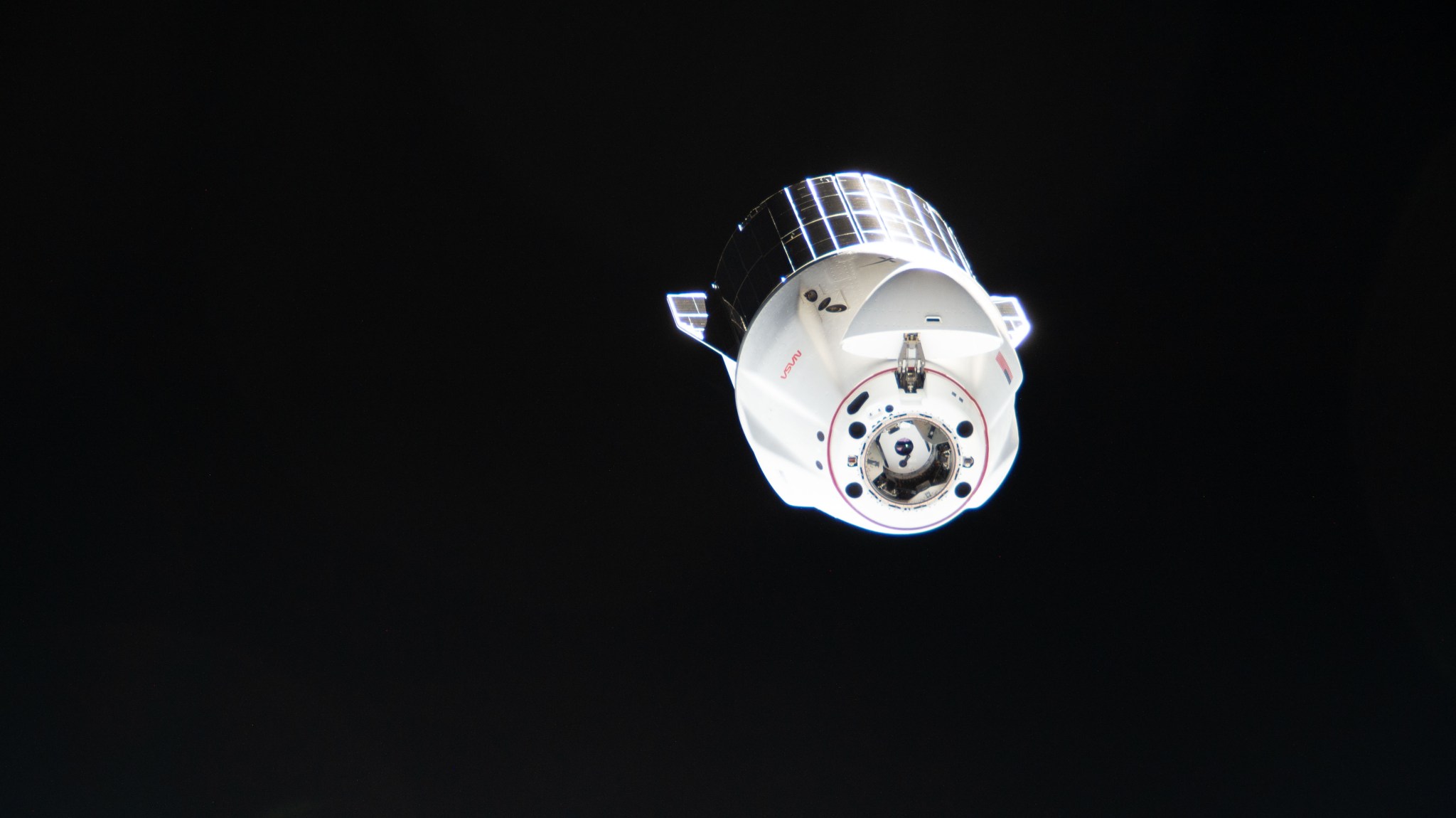
NASA and SpaceX are targeting 6:33 a.m. EDT, Tuesday, Oct. 13, for the next launch to deliver science investigations, supplies, and equipment, including the final set of International Space Station Roll-Out Solar Arrays, to the space station. This is the 35th SpaceX commercial resupply services mission to the orbital complex for NASA. NASA also will […]
Source: www.nasa.gov