
NASA and SpaceX are targeting no earlier than Tuesday, Oct. 13 to launch scientific investigations, supplies, and equipment to the International Space Station.
Source: www.nasa.gov
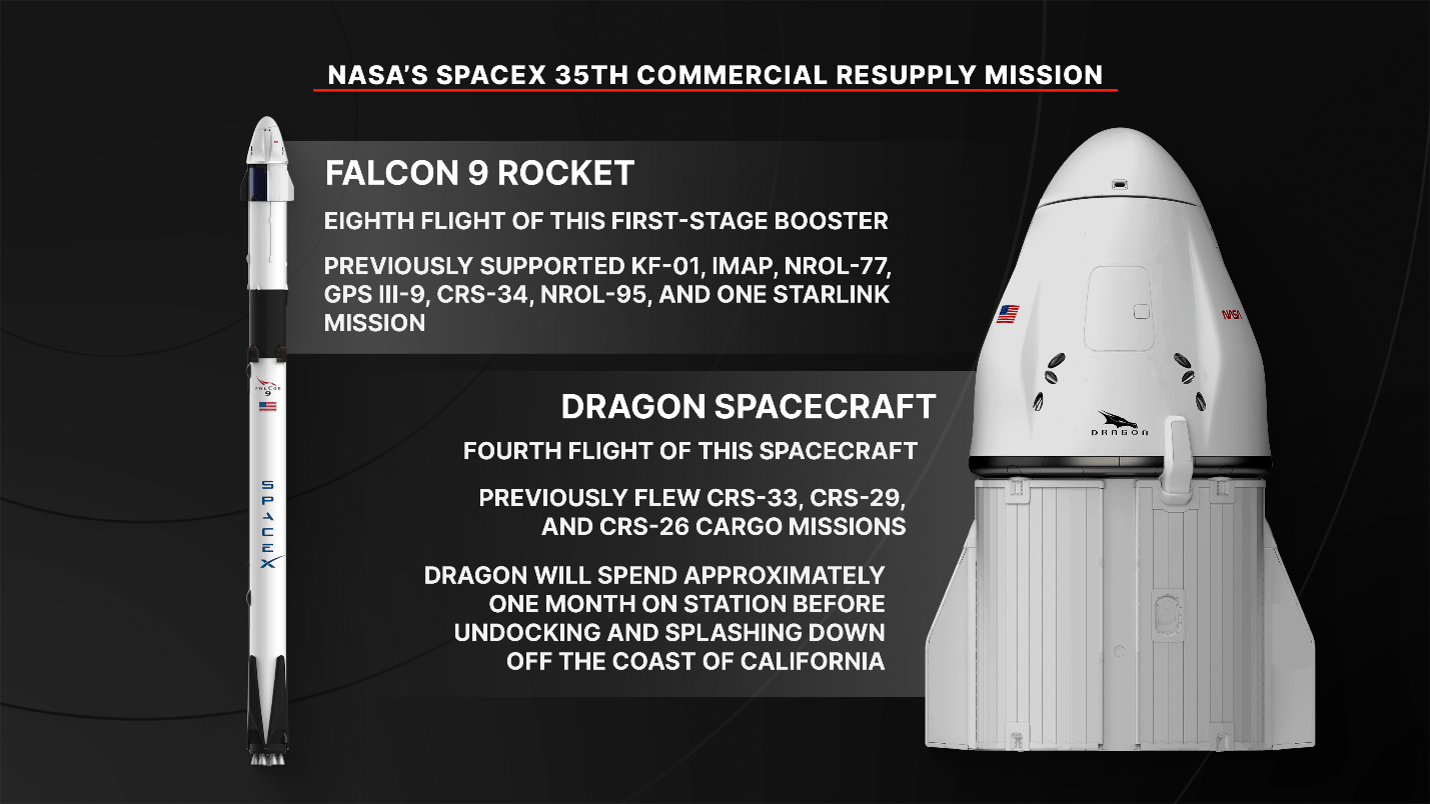
NASA and SpaceX are targeting no earlier than Tuesday, Oct. 13 to launch scientific investigations, supplies, and equipment to the International Space Station.
Source: www.nasa.gov
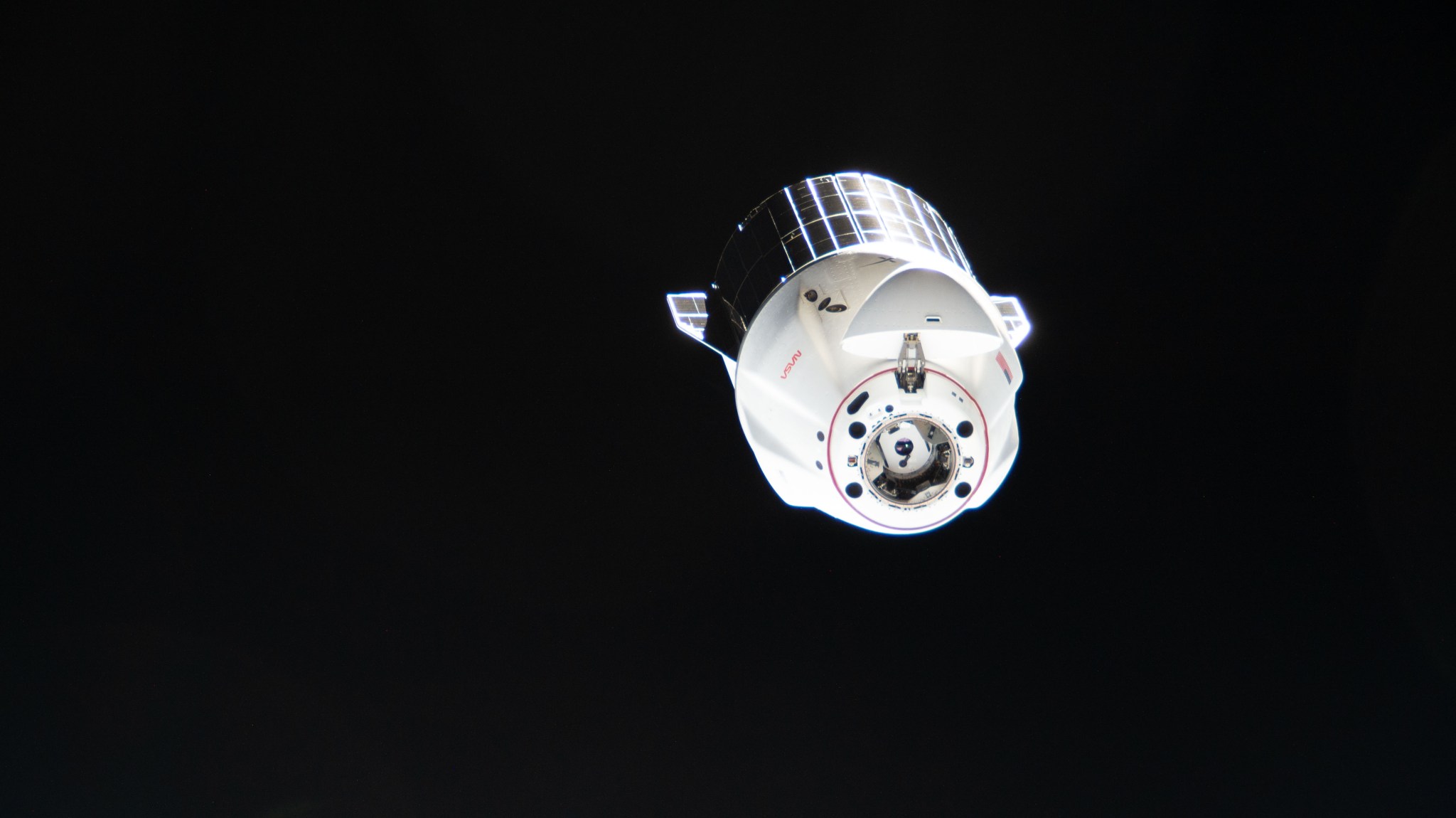
NASA and SpaceX are targeting 6:33 a.m. EDT, Tuesday, Oct. 13, for the next launch to deliver science investigations, supplies, and equipment, including the final set of International Space Station Roll-Out Solar Arrays, to the space station. This is the 35th SpaceX commercial resupply services mission to the orbital complex for NASA. NASA also will […]
Source: www.nasa.gov
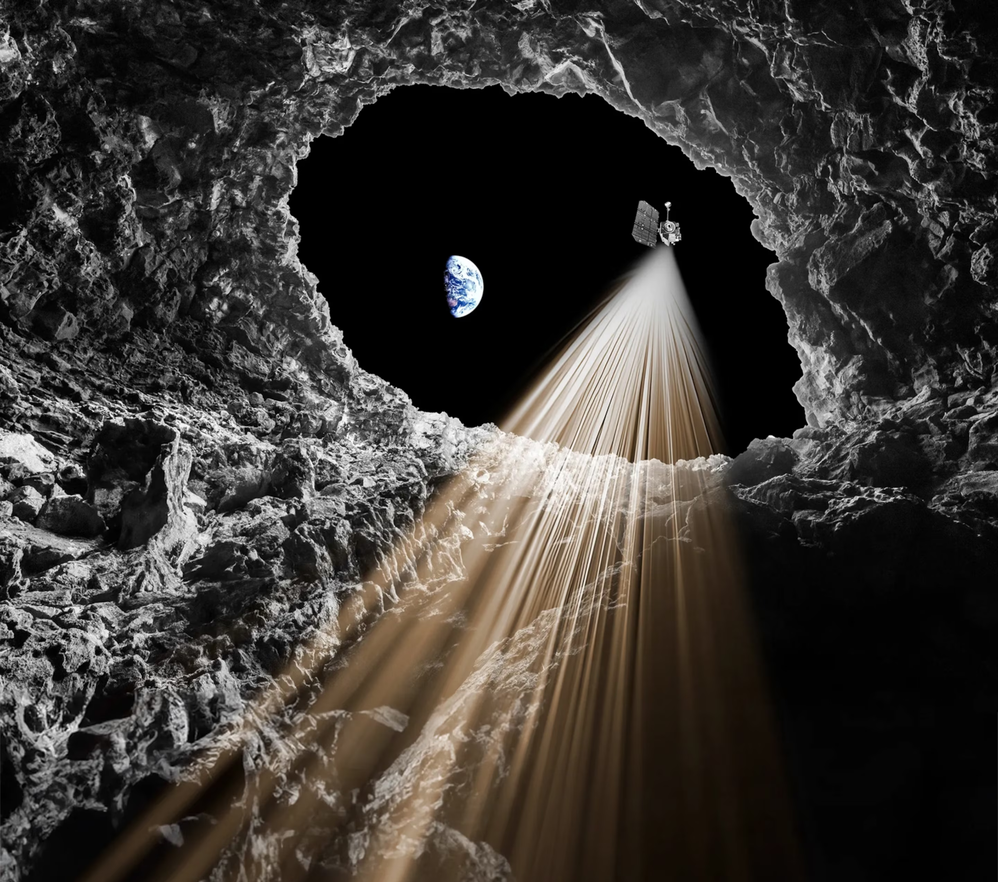
NASA has selected a Planetary Science Institute-led proposal to investigate whether a potentially large underground cave extends beyond the opening of a lunar pit.
Source: www.universetoday.com
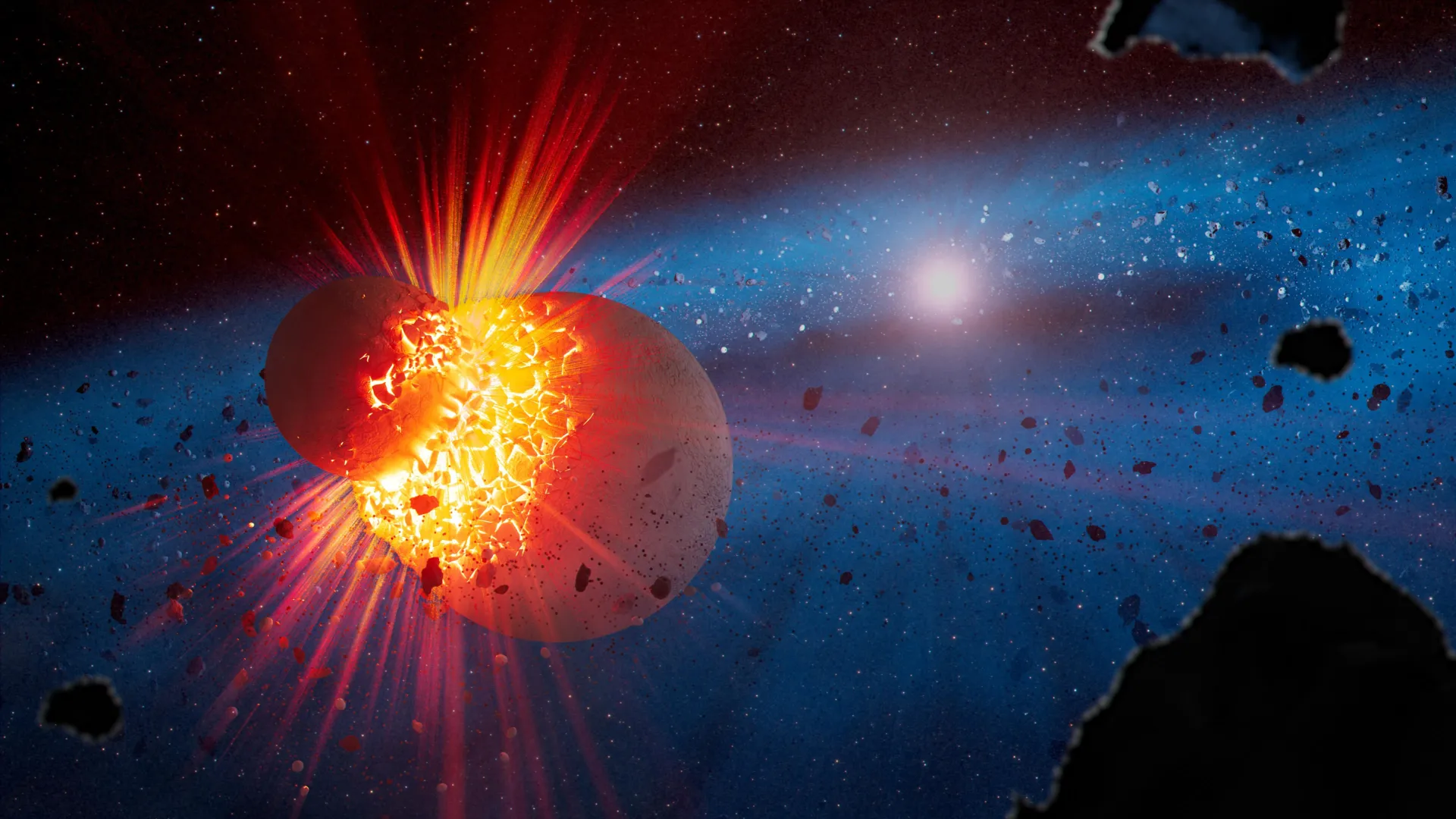
NASA’s James Webb Space Telescope is giving astronomers a glimpse of the kinds of violent collisions that may have shaped our own solar system, including the giant impact thought to have created the Moon. By studying 21 rare “extreme debris disks” around young stars, researchers found that their dust can reveal the scale and intensity of planetary collisions.
Source: www.sciencedaily.com
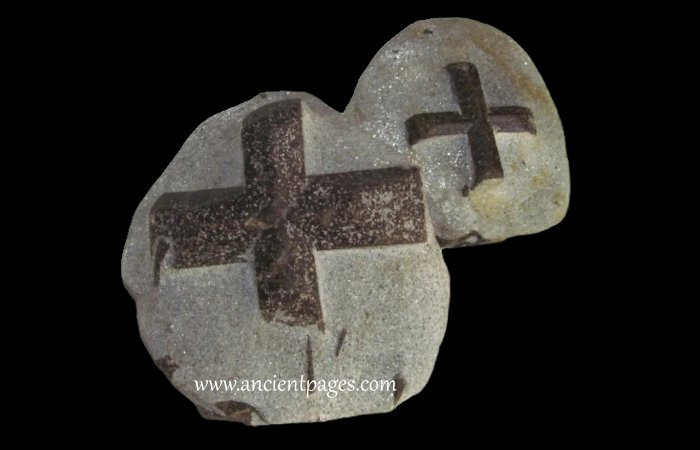
Jan Bartek – AncientPages.com – For hundreds of years, Romans used amulets to protect themselves and their environment. According to PhD candidate Patricia Kret, this practice carried on even after Christianity began to spread. Between 100 BC and 600 AD, […]Read more at Ancient Pages
Source: www.ancientpages.com

This video features a roundtable discussion hosted by Dan Richards, bringing together author Graham Hancock, retired MMA legend Georges St-Pierre, and Tyler Engle for a wide-ranging conversation that touches on ancient history, alternative archaeology, and the challenges of questioning institutional authority in today’s society.
Source: grahamhancock.com