NASA has declared its MAVEN Mars orbiter dead after Red Planet anomaly led to months of lost contact.
Category: Mistery
-

'In an unrecoverable state': NASA confirms MAVEN spacecraft is officially dead after loss of signal behind Mars
NASA has confirmed its MAVEN spacecraft is officially dead after losing contact with the probe in December. An anomaly in the probe's rotation speed led to an unexpected loss of power, though the exact cause remains unknown.
-

NASA Testing Wastewater Treatment Facility for Future Moon Base
A mobile wastewater treatment system built at NASA’s Kennedy Space Center in Florida that can help prepare for long-duration missions on the Moon and Mars departed the spaceport and arrived at the University of North Dakota in Grand Forks. Graduate students at the university will test the technology under conditions designed to closely mimic the […]
The post NASA Testing Wastewater Treatment Facility for Future Moon Base appeared first on NASA Science. -

Mars Hid its Warm, Wet Crystals Underground
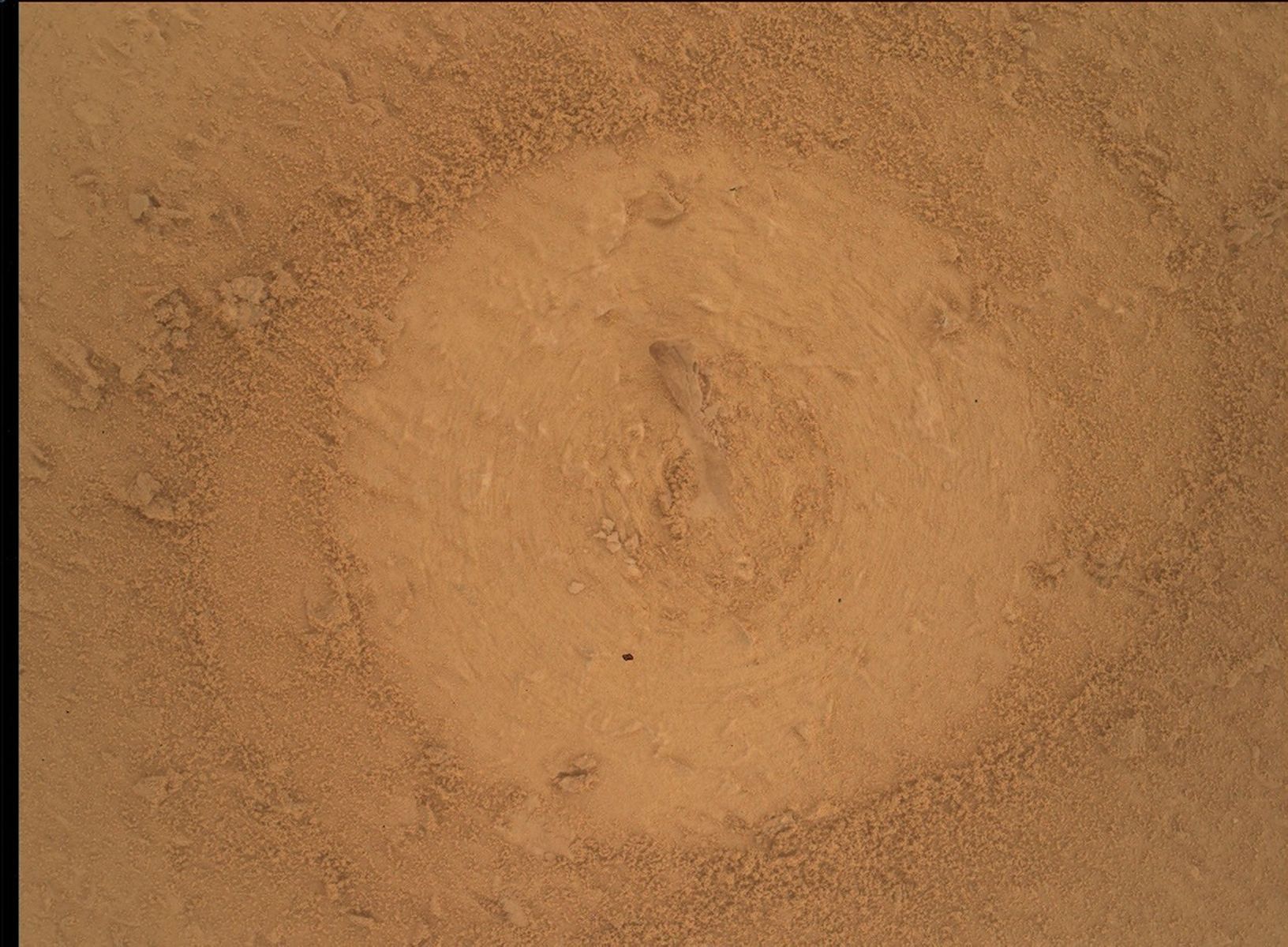
The search for any sign of life on Mars continues. In the latest update, a new data release from Curiosity’s Chemistry and Mineralogy (CheMin) – essentially the rover’s portable X-ray diffraction lab – and published in a paper in Science, analyzes 20 different rock samples from various elevations of Mount Sharp, the mountain in the center of Gale Crater that Curiosity has been slowly climbing. In the paper, the researchers describe how the size of the crystals in those samples could help scientists determine where to look for evidence that life might have evolved on the Red Planet.
-

A Brief-ish History of SETI. Part VIII: Paradox? What Paradox?
In recent decades, the Search for Extraterrestrial Intelligence (SETI) has seen a revival, and future surveys will benefit from new technologies. Similarly, our perception of what technologies an advanced civilization might use has expanded.
-

NASA Uses Mineralogical Marker to Understand Ancient Martian Climate
Scientists analyzed 20 Martian samples collected by NASA’s Curiosity Rover and found that differences in hematite crystallite size at varying elevations could serve as a new mineralogical marker for understanding Mars’ ancient climate.