
Pa 30, linked to a supernova seen in 1181, reveals chains of tiny gas knots in a new image from the Gemini North telescope in Hawaii.
Source: www.livescience.com
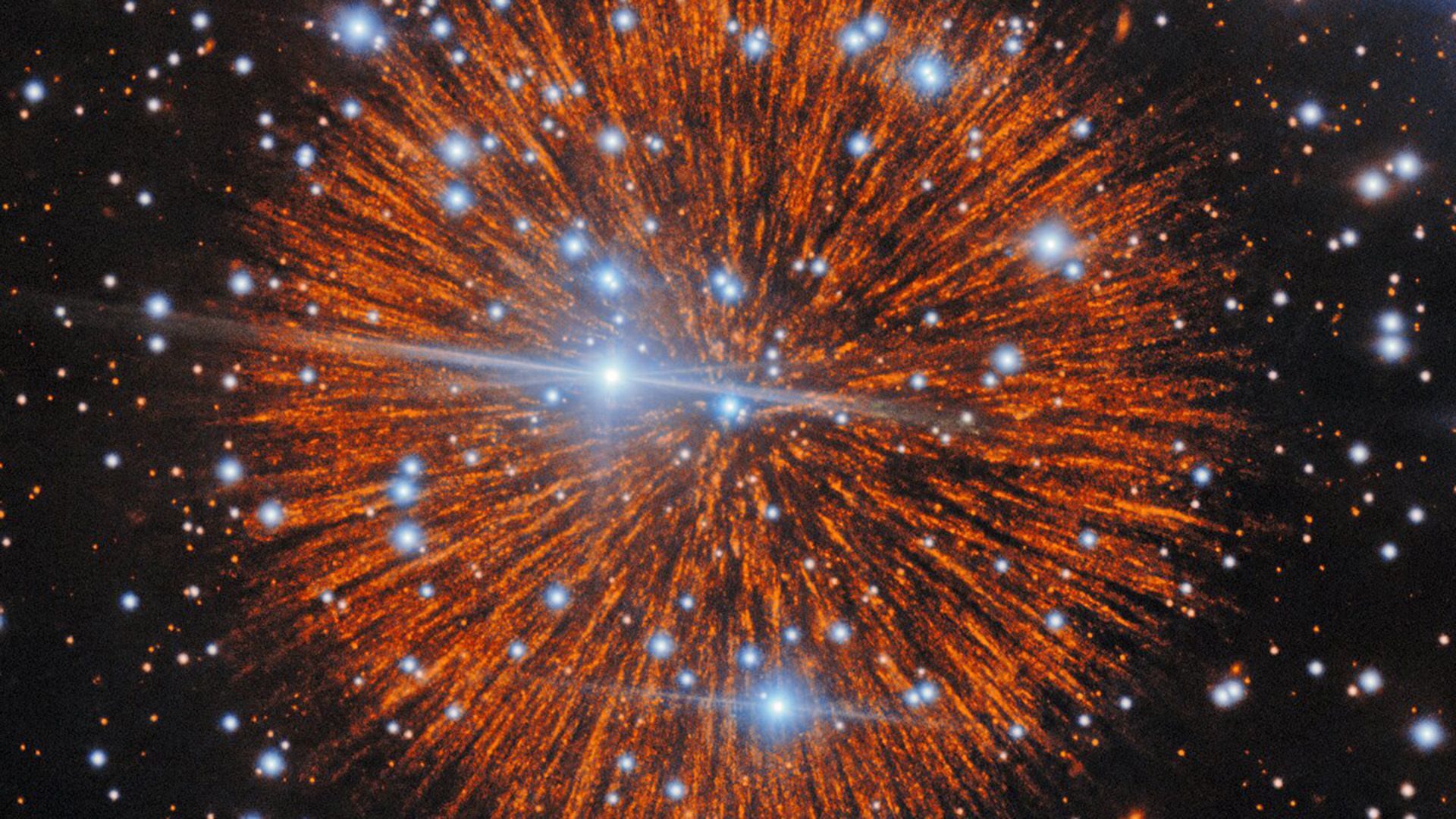
Pa 30, linked to a supernova seen in 1181, reveals chains of tiny gas knots in a new image from the Gemini North telescope in Hawaii.
Source: www.livescience.com

NASA Administrator Jared Isaacman has named Stephen Cash director of the agency’s Marshall Space Flight Center in Huntsville, Alabama, effective Monday, Oct. 19. Cash, a veteran NASA engineer and aerospace executive, returns to lead the center where he began his career more than four decades ago. “Marshall contributions to NASA’s missions are historic and it’s […]
Source: www.nasa.gov
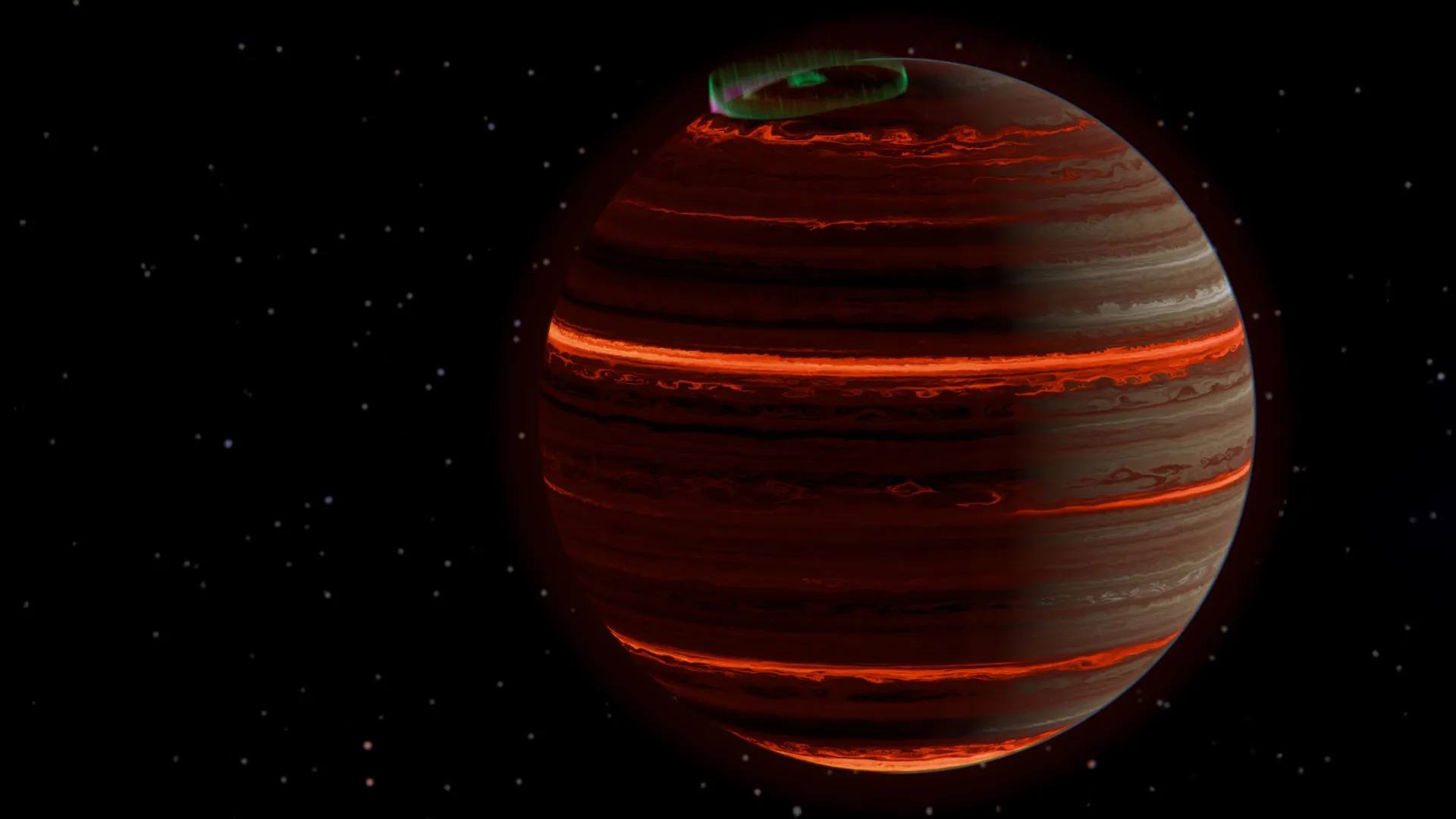
NASA’s James Webb Space Telescope has revealed that a turbulent world 20 light-years away has a surprisingly orderly weather system, with three recurring atmospheric states driven by temperature changes and shifting clouds. The breakthrough gives scientists a powerful new tool for uncovering weather patterns on distant worlds and understanding the conditions that shape their atmospheres.
Source: www.sciencedaily.com
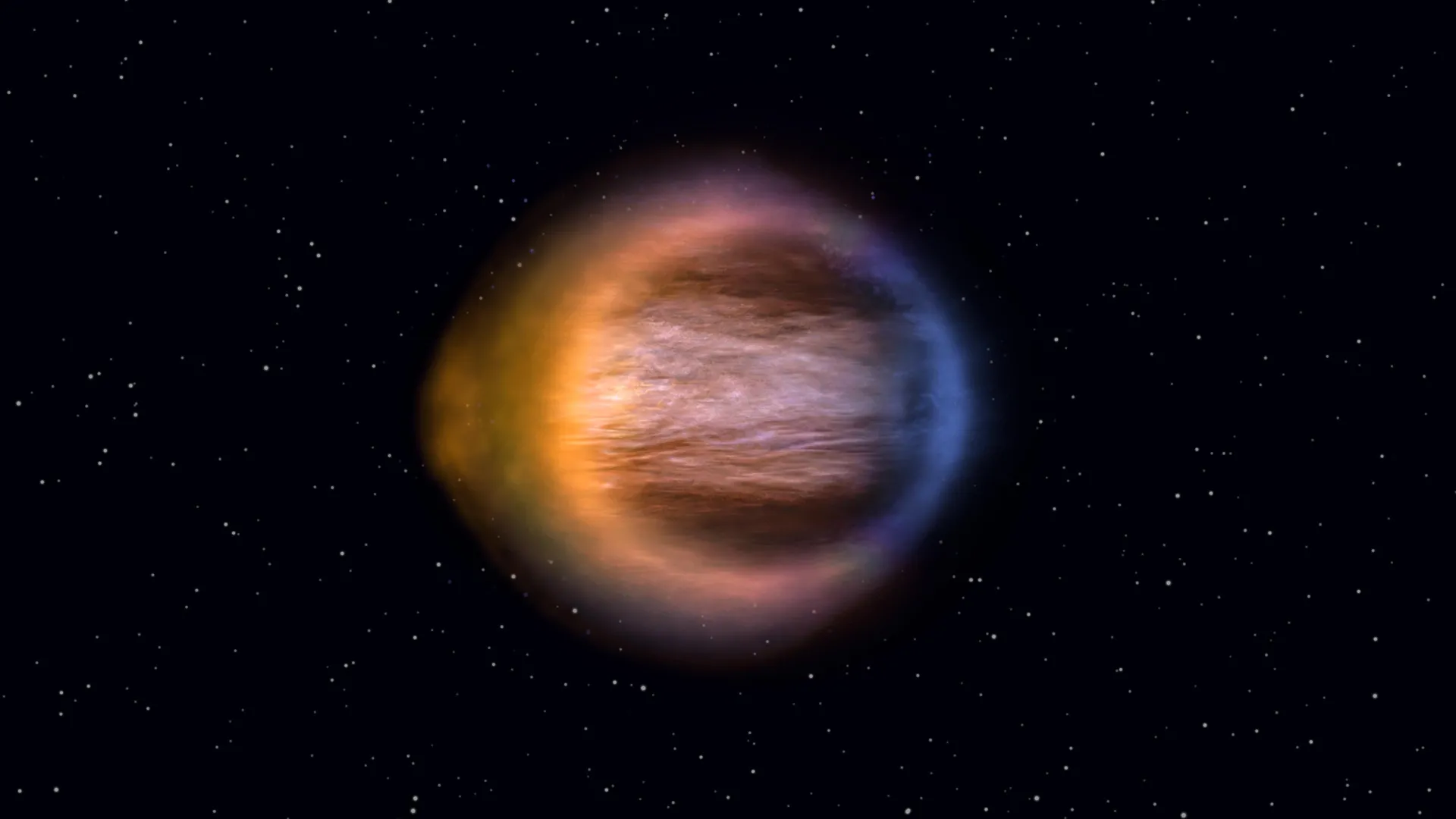
Astronomers using the James Webb Space Telescope have discovered that a distant alien planet's atmosphere is surprisingly lopsided. Located 1,300 light-years away, the scorching gas giant WASP-17b experiences powerful winds that redistribute heat, causing one side of its atmosphere to bulge outward. A groundbreaking new mapping technique revealed these hidden distortions, confirming predictions about how extreme temperatures and winds shape alien worlds.
Source: www.sciencedaily.com
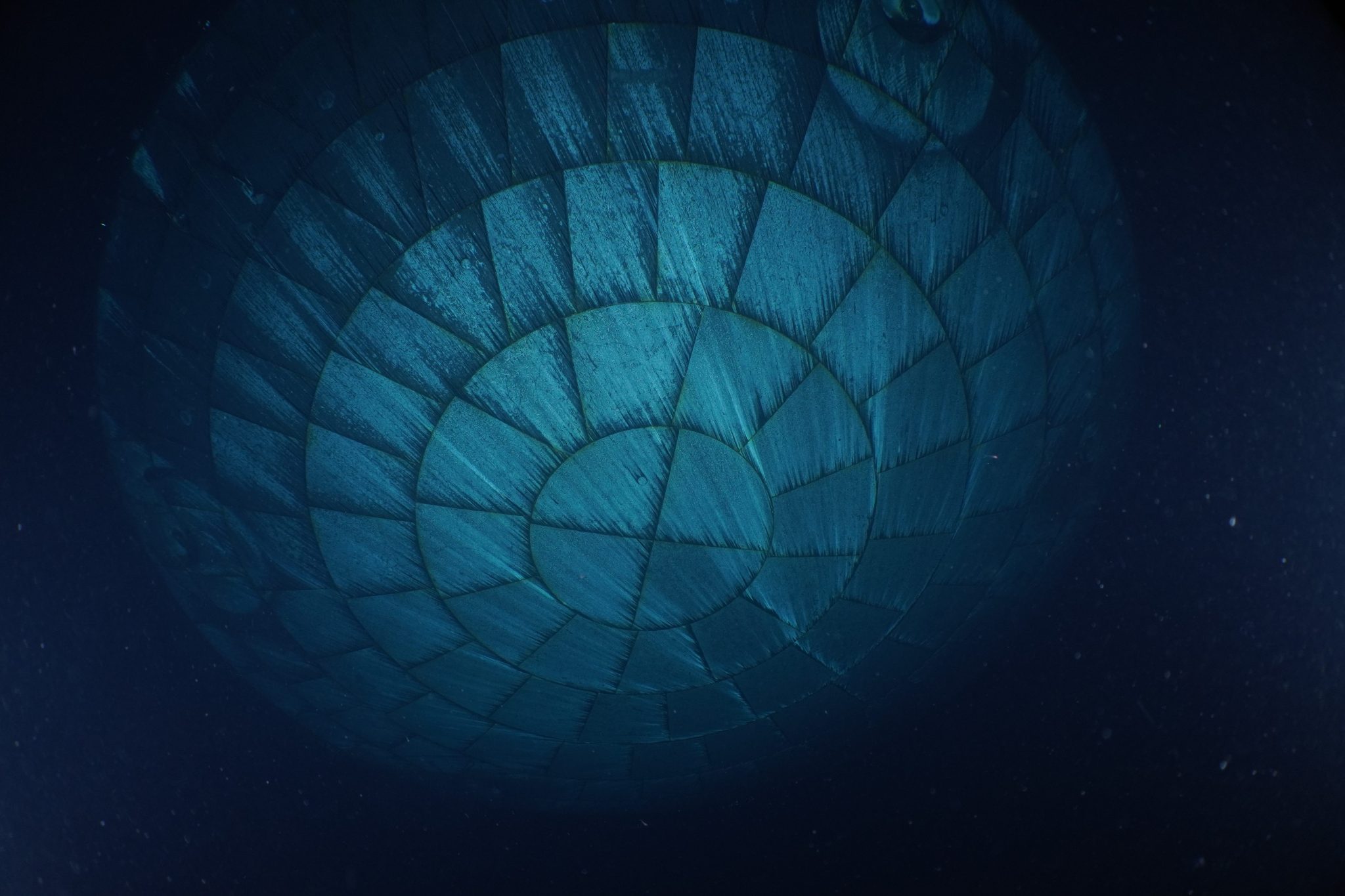
Shortly after NASA’s Artemis II mission splashed down on April 10, 2026, U.S. Navy divers captured underwater imagery of the Orion spacecraft’s heat shield. In the months after, the agency measured whether the thermal protection system effectively safeguarded the crew and Orion systems as the spacecraft reentered Earth’s atmosphere. This rigorous analysis confirmed that the […]
Source: www.nasa.gov
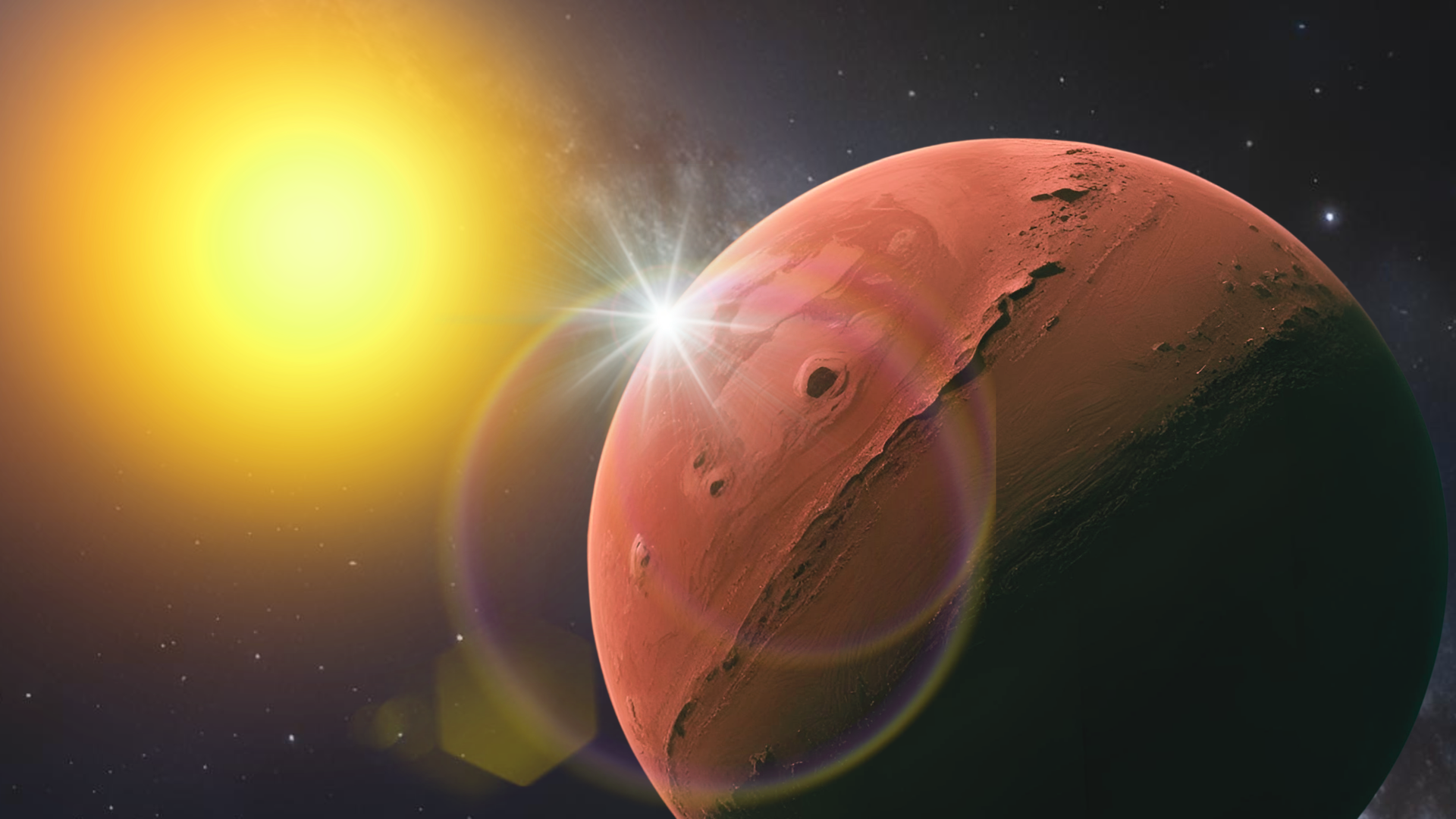
Using data from the James Webb Space Telescope, astronomers have unravelled some of the secrets of a bizarre, blisteringly hot exoplanet that has the consistency of marshmallow.
Source: www.space.com