On Aug. 29, 1965, two NASA astronauts returned to Earth after spending eight days in space on the record-setting Gemini 5 mission, setting the stage for longer trips to the moon.
Source: www.space.com

On Aug. 29, 1965, two NASA astronauts returned to Earth after spending eight days in space on the record-setting Gemini 5 mission, setting the stage for longer trips to the moon.
Source: www.space.com

NASA named a team from the Massachusetts Institute of Technology (MIT) as the first prize winner for Phase 2 of the agency’s LunaRecycle Challenge, which focused on developing solutions for reducing waste during missions to the Moon or deep space by recycling common materials, like fabrics, plastics, foam, and metals. The Composites for Extraterrestrial Recycling By Engineering the Reuse and Upcycling of Zotek (CERBERUZ) team, comprised of undergraduate, graduate, and doctoral students at MIT, received a total of $775,000 in awards. The technology grinds mixed trash into a fine powder, […] The post NASA Awards First Prize in Phase 2 of Agency’s LunaRecycle Challenge appeared first on NASA Science.
Source: www.nasa.gov
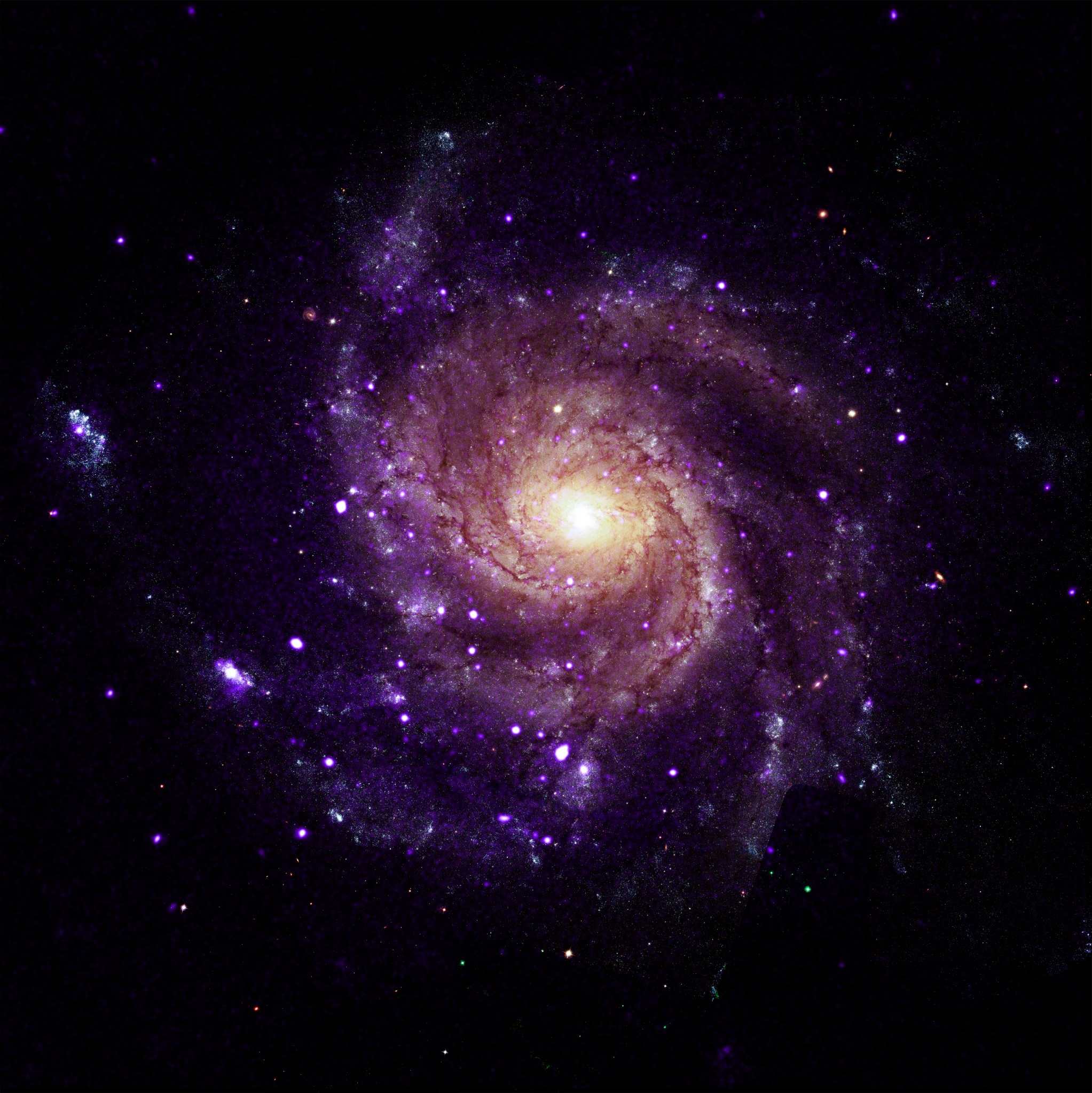
On Aug. 28, 1993, NASA's Galileo spacecraft flew by the asteroid Ida on its way to Jupiter. Here's why it mattered.
Source: www.space.com

One of the primary objectives of space exploration that often gets overlooked is the intense effort that goes into ensuring Earth microbes don’t contaminate planetary objects, also called forward contamination. This is done to prevent contaminating any potential life that might be present could get killed off my Earth microbes and scientists don’t want to make false discoveries. While space radiation and extreme temperatures often kill off any pesky microbes that hitch a ride on spacecraft, there remains a longstanding knowledge gap regarding whether microbes could survive the lunar polar regions due to its deep craters and varying topography.
Source: www.universetoday.com

This problem set from Space Math at NASA includes a total of 31 mathematics problems that deal with our Moon. Designed for students K-12+, many of the problems use simple scaling rules to measure the diameters of craters on imagery of the lunar surface obtained by the Lunar Reconnaissance Orbiter (LRO) and other spacecraft. Educators can integrate […] The post Space Math at NASA: Math Problems Related to the Moon appeared first on NASA Science.
Source: science.nasa.gov

After nearly a decade of service to NASA, including an eight-month science expedition aboard the International Space Station, astronaut Jonny Kim’s last day at the agency is Thursday. He will continue serving as lieutenant commander in the U.S. Navy. Kim launched to the space station in April 2025 aboard the Soyuz MS‑27 spacecraft to conduct […]
Source: www.nasa.gov