
The post APOD: 2026 September 27 – Andromeda Before and After Photoshop appeared first on NASA Science.
Source: science.nasa.gov
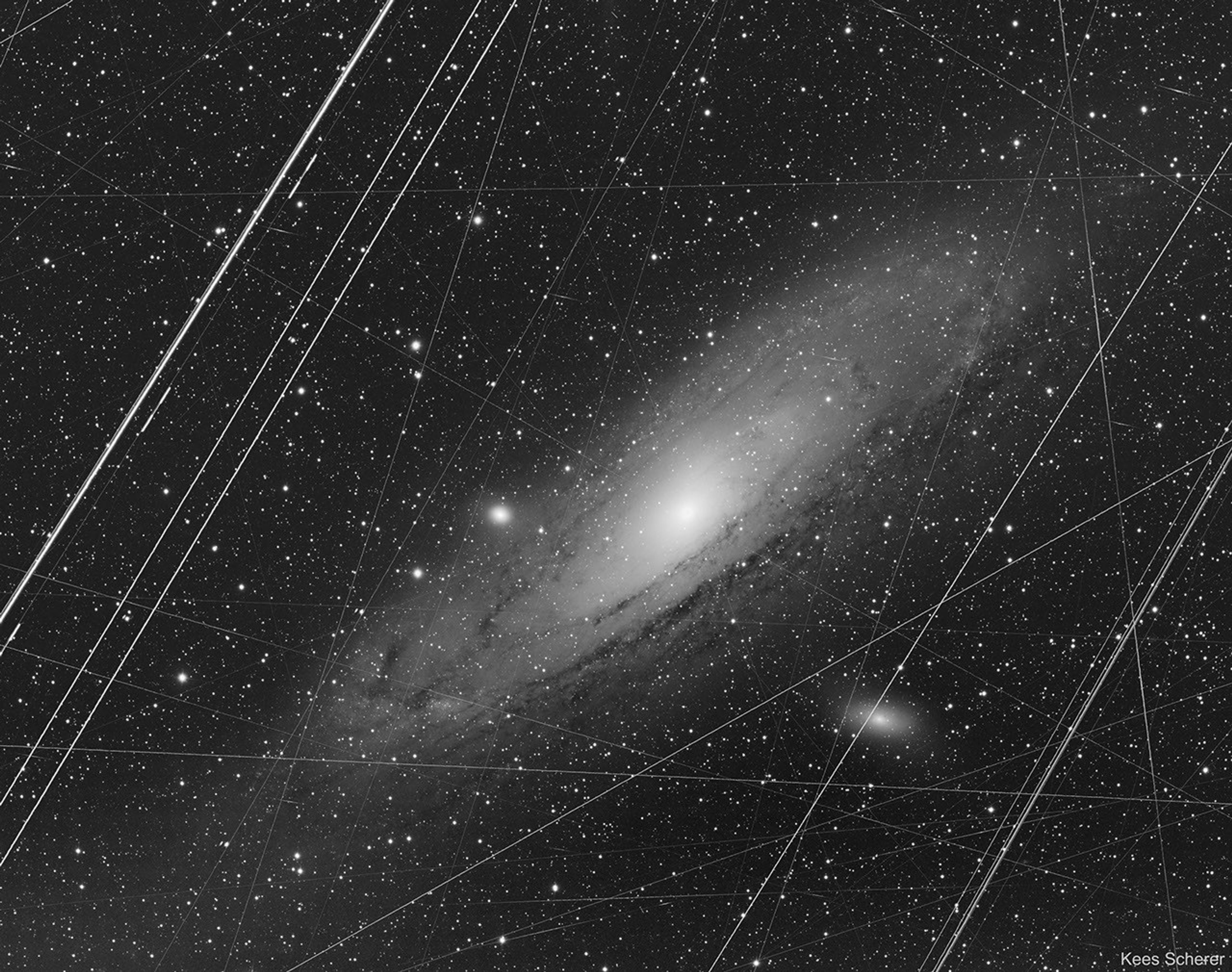
The post APOD: 2026 September 27 – Andromeda Before and After Photoshop appeared first on NASA Science.
Source: science.nasa.gov
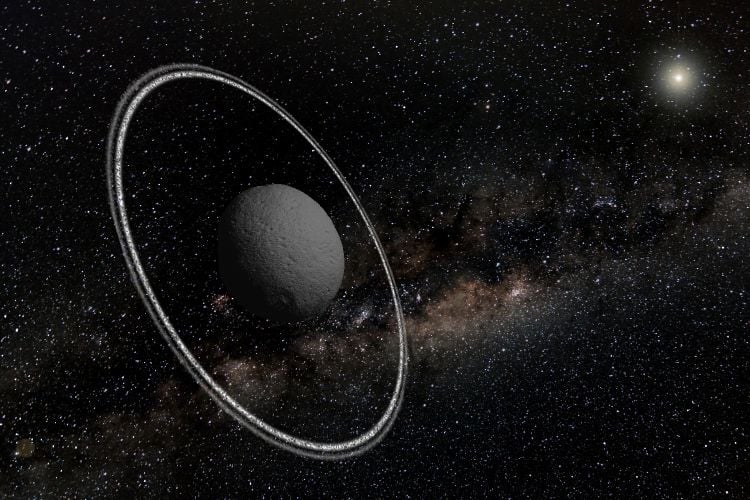
When we think of asteroids, we often think of the main asteroid belt between Mars and Jupiter that contains the majority of the known asteroids in our solar system. However, our solar system hosts several other populations of asteroids and icy rocks, including the Jupiter Trojan asteroids that orbit in Jupiter’s orbit, and the icy bodies and comets of the Kuiper Belt. But there’s one population of asteroids that often gets overlooked called Centaurs, primarily because their orbits are not in a fixed location and instead whose orbits cross the orbits of the outer planets.
Source: www.universetoday.com
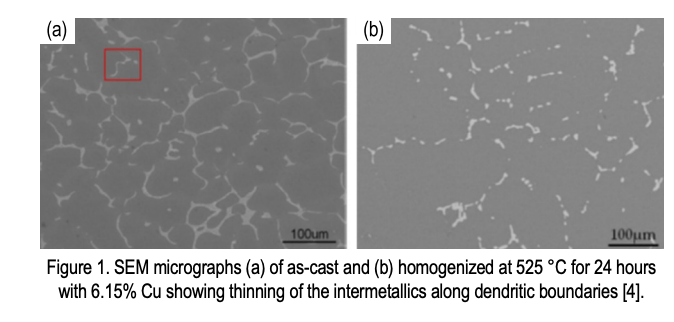
For more information, contact Donald S. Parker, Kennedy Space Center, donald.s.parker@nasa.gov Download the PDF version Improper casting and forging processes in the manufacture of aluminum alloy 2219 can lead to microstructural defects that result in a sub-optimal response to anodic surface treatments and an increase in corrosion susceptibility. This Technical Bulletin communicates the risks of […]
Source: www.nasa.gov
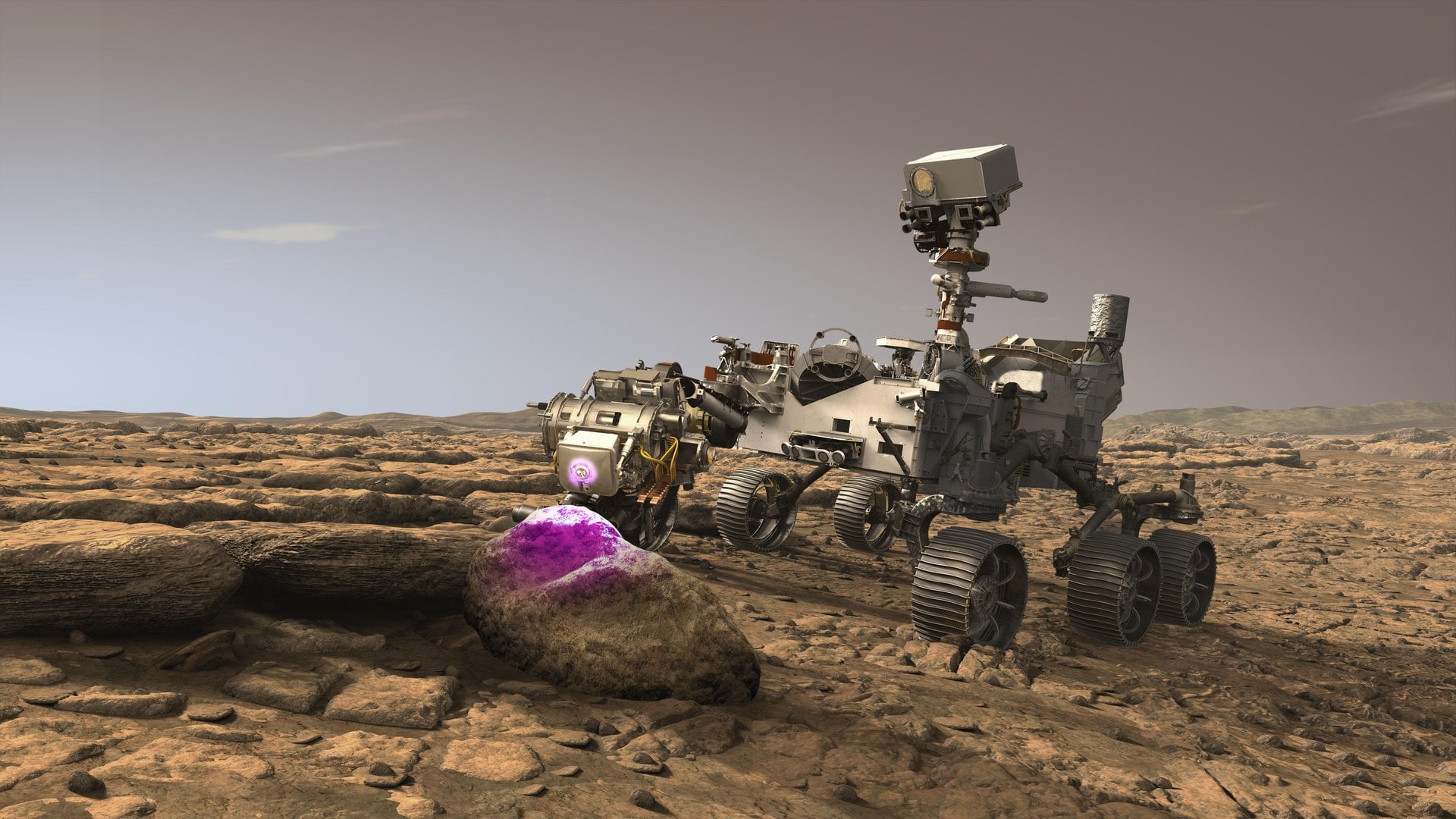
A new geochemical modeling study led by researchers at JAXA and the University of Tokyo addresses Mars' "missing" stores of carbonate rocks.
Source: www.universetoday.com

The enduring mystery of Genghis Khan's final resting place — and the extreme lengths his followers took to hide it.
Source: www.livescience.com

The Republic of San Marino became the 76th signatory to the Artemis Accords during a ceremony in the city of Rimini on Friday with NASA and U.S. Department of State officials present. “San Marino joins a growing coalition of like-minded nations committed to the peaceful, transparent, and responsible exploration of space,” said NASA Deputy Administrator […]
Source: www.nasa.gov